




Introduction to Cantonese Chow Mein
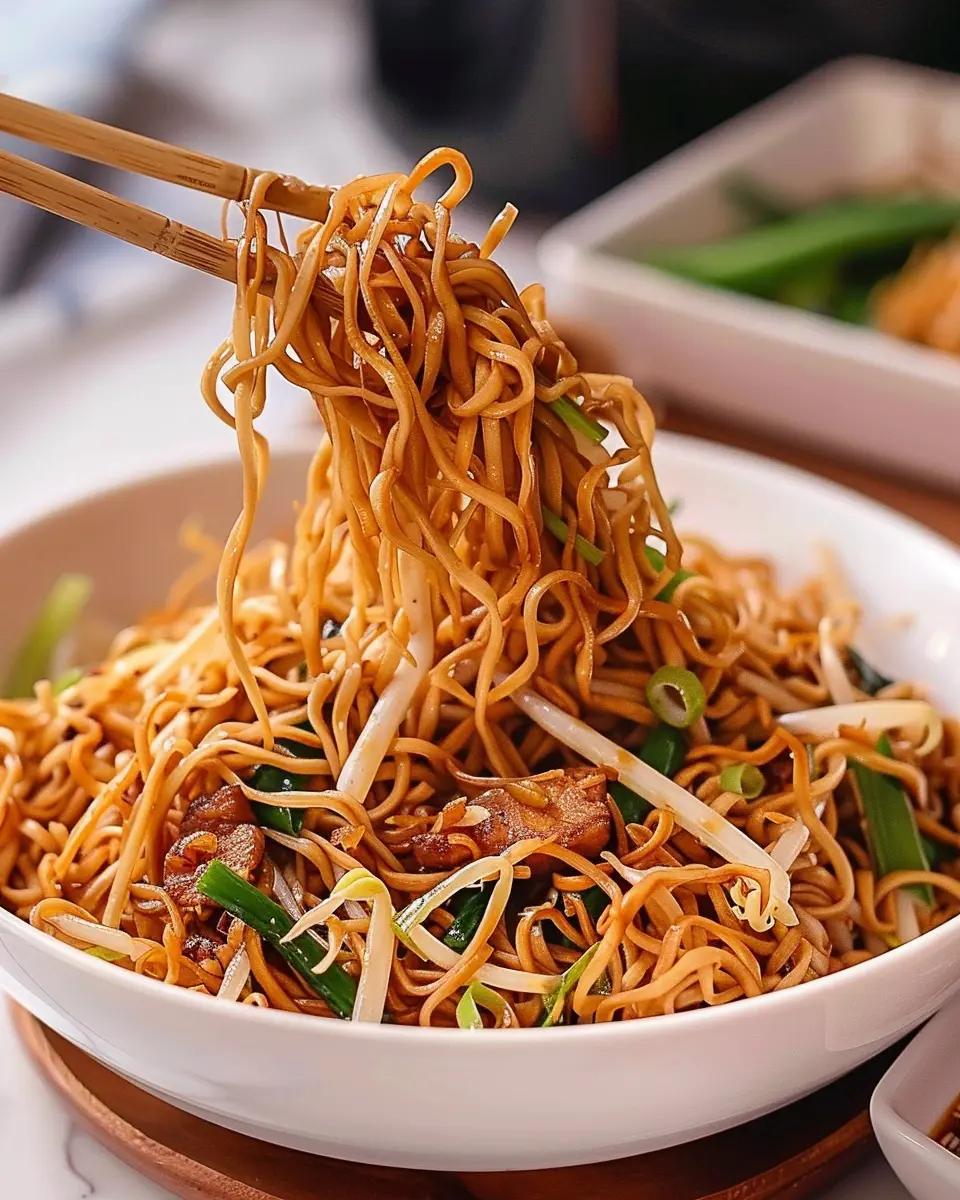
When it comes to Asian cuisine, Cantonese Chow Mein stands out as a beloved staple. But what exactly is it, and why do people adore it so much? Typically originating from the Canton region of China, this dish features a unique combination of stir-fried noodles, savory vegetables, and a variety of delicious proteins, all tied together by a rich and flavorful sauce.
What sets Cantonese Chow Mein apart is the texture of the noodles. They are often cooked until crispy on the outside while remaining tender on the inside, creating a mouthwatering contrast that’s hard to resist. Many fans describe the experience of eating Chow Mein as a delightful adventure in every bite, punctuated with bursts of flavor from the fresh ingredients.
A Wholesome Favorite
As a busy young professional, quick and nutritious meals are essential, and that’s where Cantonese Chow Mein truly shines. This dish can be customized with your favorite proteins like turkey bacon, chicken ham, or even beef, making it a flexible choice for various dietary preferences. Plus, it’s packed with colorful vegetables like bell peppers, carrots, and broccoli, which add both nutrition and a pop of color to your plate.
Did you know that stir-frying is a traditional Chinese cooking method that helps retain the nutrients in the ingredients? According to culinary experts, this technique can maximize the flavor and health benefits of your vegetables, making Cantonese Chow Mein not just delicious but also diet-friendly. You can easily swap out ingredients or make it vegetarian by using tofu and more veggies—your Chow Mein, your rules!
Elevate Your Chow Mein
The beauty of Cantonese Chow Mein also lies in its flexibility. Need to impress guests? Perhaps jazz it up with some homemade sauces or garnishes like sesame seeds and chopped green onions. Feeling tired after a long day? A simple one-pan version allows for quick preparation that still satisfies your cravings.
Ready to dive into the culinary world of Cantonese Chow Mein? Join me as we explore its full recipe and unleash the chef within! With its incredible flavors and versatility, this dish is sure to become a regular feature in your dinner rotation.
Ingredients for Cantonese Chow Mein
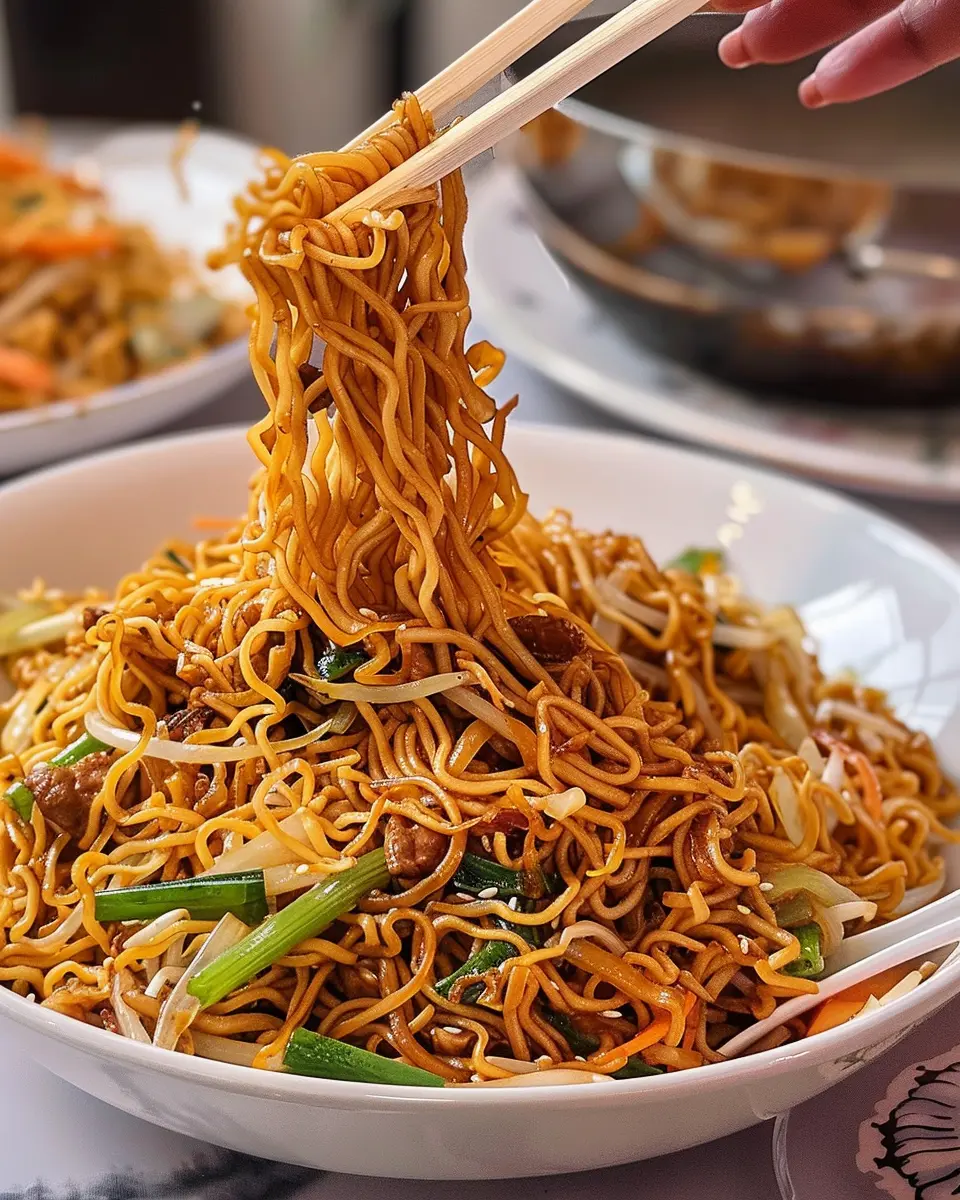
Creating a delicious plate of Cantonese Chow Mein at home is easier than you might think! The key lies in using fresh, high-quality ingredients. Here’s what you’ll need to whip up this savory dish that’s sure to impress.
Fresh Vegetables
- Bean sprouts: These add crunch and a refreshing taste.
- Bell peppers: Use a mix of colors for visual appeal and sweetness.
- Carrots: Shredded for texture—don’t skimp on these!
Proteins
- Chicken ham: This savory ingredient gives your chow mein a satisfying bite.
- Turkey bacon: Add this for a smoky flavor and extra protein.
- Beef: Thinly sliced, it brings flavor and heartiness to your dish.
Noodles and Seasonings
- Chow mein noodles: The star of the dish, opt for fresh noodles when possible.
- Soy sauce: A must-have for that quintessential umami flavor.
- Sesame oil: Just a splash adds depth and richness.
With these ingredients, you’re well on your way to a delightful meal that embodies the heart of Cantonese Chow Mein. Looking for more inspiration on how to maximize flavor? Check out Culinary Connect for tips on optimizing your ingredient choices!
Preparing Cantonese Chow Mein
If you’re craving some delicious Cantonese Chow Mein, you’re in for a treat! This dish is not only tasty but also a perfect weeknight meal that you can whip up in no time. Below, I’ll guide you step-by-step through the preparation of this delightful dish. Grab your apron, and let’s get started!
Gather and prep the ingredients
Before diving into the cooking process, it’s essential to have everything ready at hand. Here’s what you’ll need:
- Noodles: 8 ounces of chow mein noodles (fresh is best, but dried work too!)
- Protein: 4 ounces of sliced Turkey Bacon or Chicken Ham, or even some tender beef strips
- Vegetables: 1 cup of shredded cabbage, 1 cup of bean sprouts, and 1 diced bell pepper
- Aromatics: 2-3 cloves of minced garlic, and 1 tablespoon of minced ginger
- Sauce Ingredients: 1 tablespoon soy sauce, 1 tablespoon oyster sauce, 1 teaspoon sesame oil, and a pinch of salt
Make sure to wash and chop your vegetables beforehand. This not only saves time while cooking but also keeps the momentum going. Prepped ingredients can really elevate the cooking experience, making it feel more organized and enjoyable!
Cooking the chow mein noodles
The next step in preparing your Cantonese Chow Mein is cooking those noodles.
- Boil a pot of water: Once it’s bubbling, drop in your chow mein noodles and cook according to the package instructions (usually about 3-5 minutes for fresh noodles).
- Drain and rinse: After the noodles are done, drain them well and run them under cold water to stop the cooking process. This keeps them al dente and prevents sticking!
Make sure to toss a bit of oil (sesame, if you have it) on the noodles after rinsing. This simple trick goes a long way in preventing those pesky clumps.
Create the savory stir-fry sauce
Now let’s move on to the sauce that brings Cantonese Chow Mein to life!
- In a small mixing bowl, combine soy sauce, oyster sauce, sesame oil, and a pinch of salt.
- Whisk until everything is blended smoothly. This sauce is going to coat your noodles and veggies beautifully.
If you’re looking for additional flavors or spice, consider adding a dash of hoisin sauce or sriracha for an extra kick.
Sautéing the aromatics
Aromatics are the heart of any good stir-fry, and in this case, that’s the garlic and ginger.
- Heat a couple of tablespoons of oil in a large skillet or wok over medium-high heat.
- Add your minced garlic and ginger, stirring for about 30 seconds until fragrant.
Ah, can you smell that? Nothing quite says “dinner’s on the way” like the scent of sizzling garlic and ginger.
Crisping the noodles to perfection
At this stage, we want those noodles crispy, which adds a delightful texture to your dish.
- Add the drained noodles into the pan, and let them sit for a bit before stirring. This helps develop a slight crisp on the edges.
- After a few minutes of cooking, give it all a gentle toss to mix evenly.
Feel free to experiment here! The longer you let them sit, the crispier they get, but don’t forget to account for the additional cooking time.
Combining with vegetables and sauce
Finally, let’s bring this all together.
- Add your prepped vegetables (cabbage, bean sprouts, and bell peppers) into the pan.
- Pour your savory sauce over the mixture, stirring gently to ensure everything is well combined.
Let it all cook for another 2-3 minutes. The vegetables should be slightly tender yet still retain a bit of crunch.
Once everything is beautifully coated and sizzling, your Cantonese Chow Mein is ready to serve! A quick taste test before plating is always a good idea—adjust the seasoning if needed.
Now that you know how to prepare Cantonese Chow Mein, it’s time to enjoy your delicious creation! For more culinary inspiration, check out Serious Eats for more authentic Asian recipes or BBC Good Food for a variety of other delightful dishes. Happy cooking!
Variations on Cantonese Chow Mein
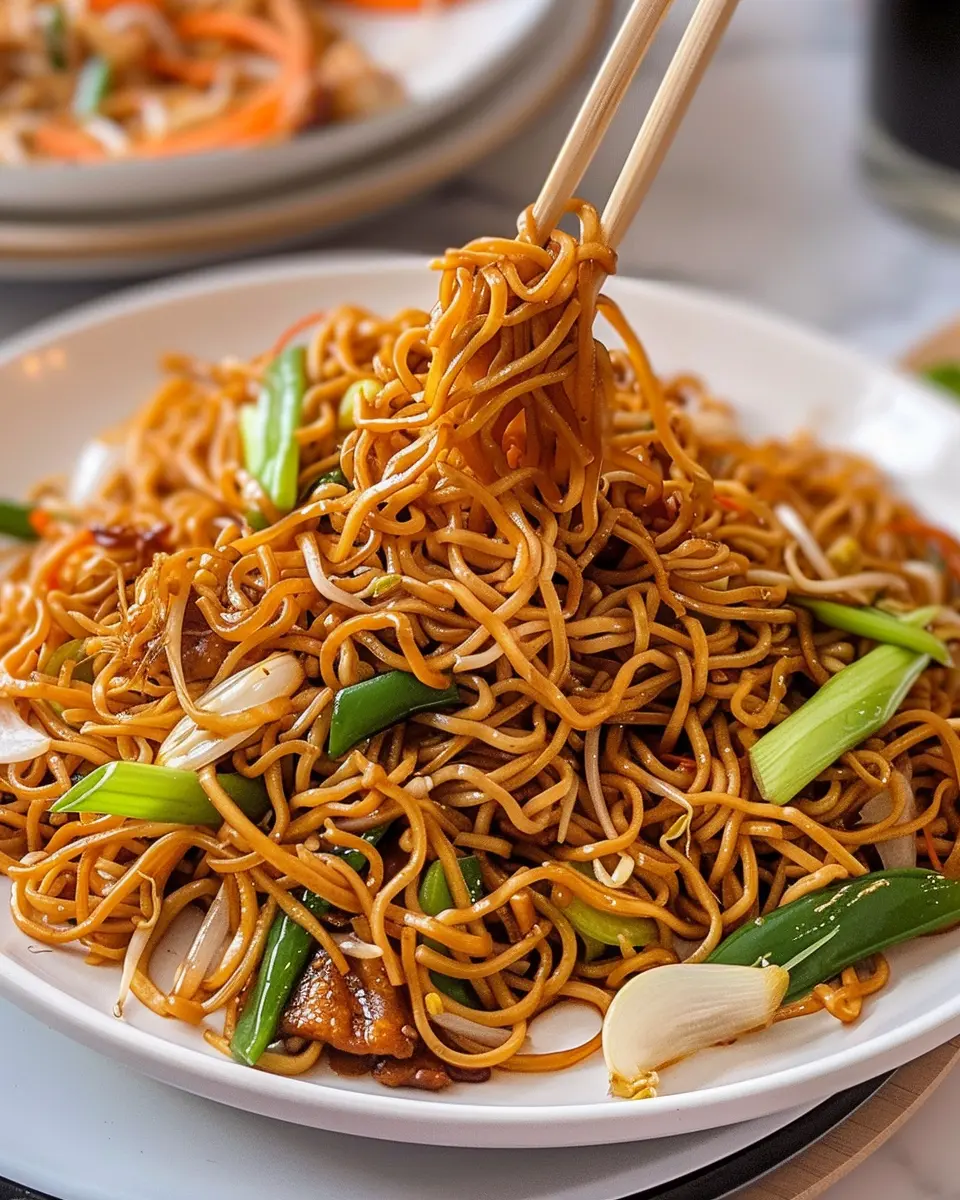
Cantonese Chow Mein is not just a one-size-fits-all dish; it offers a vibrant canvas for personal creativity in the kitchen. If you’re looking to switch things up or cater to specific dietary preferences, there are plenty of delicious variations to explore!
Chicken and Vegetable Chow Mein
For those who love added protein, consider a chicken and vegetable chow mein. Start by sautéing bite-sized pieces of chicken breast with aromatic garlic and ginger. Once cooked, toss in a medley of colorful vegetables such as bell peppers, snow peas, and carrots. The combination gives a beautiful crunch and pairs perfectly with the slightly crispy noodles.
- Tip: For a touch of sweetness, add a dash of oyster sauce. If you want a healthier alternative, try low-sodium soy sauce!
Vegetarian Chow Mein Options
Not eating meat? No problem! Making a scrumptious Cantonese chow mein is still very much within reach. Opt for a mix of fresh vegetables like broccoli, mushrooms, and baby corn, or even throw in some tofu for added protein. You can also elevate your dish with:
- Nuts or seeds: Edamame or cashews add a delightful crunch.
- Extra flavor: Incorporate sesame oil for that distinct, nutty aroma.
Let’s not forget the beauty of plant-based chow mein! It’s not only flavorful but also packed with nutrients, making it a well-rounded meal that can easily satisfy any palate.
For more insights on vegetarian nutrition, consider checking out resources from The Vegetarian Society. Cooking doesn’t have to be complicated—embracing these variations allows you to enjoy your own personalized take on this classic dish while keeping it fun and healthy!
Cooking Tips and Notes for Cantonese Chow Mein
Creating a delicious Cantonese Chow Mein at home can be a delightful experience. Here are some practical tips to elevate your dish:
Choose the Right Noodles
For that authentic taste, opt for fresh egg noodles or thin wheat noodles. If you can’t find fresh ones, dried noodles will work too—just be sure to follow the cooking time on the package. Always rinse them under cold water after boiling to stop the cooking process.
Flavor Your Oil
Using a combination of sesame oil and vegetable oil can enhance the flavor profile. The sesame oil adds that signature nuttiness, while vegetable oil helps with frying at higher temperatures.
Don’t Overcrowd the Pan
When stir-frying, it’s essential to avoid overcrowding. If your pan is too full, the ingredients will steam rather than fry, and you won’t achieve that perfect char. Work in batches if necessary.
Feel Free to Customize
Cantonese Chow Mein is versatile! Feel free to add your favorite proteins—like turkey bacon or chicken ham—and plenty of colorful vegetables like bell peppers and snow peas.
For more stir-frying techniques, check out The Woksof Life.
With these tips, you’re well on your way to creating a mouthwatering Cantonese Chow Mein that will impress your family and friends. Enjoy the cooking process, and don’t hesitate to get creative!
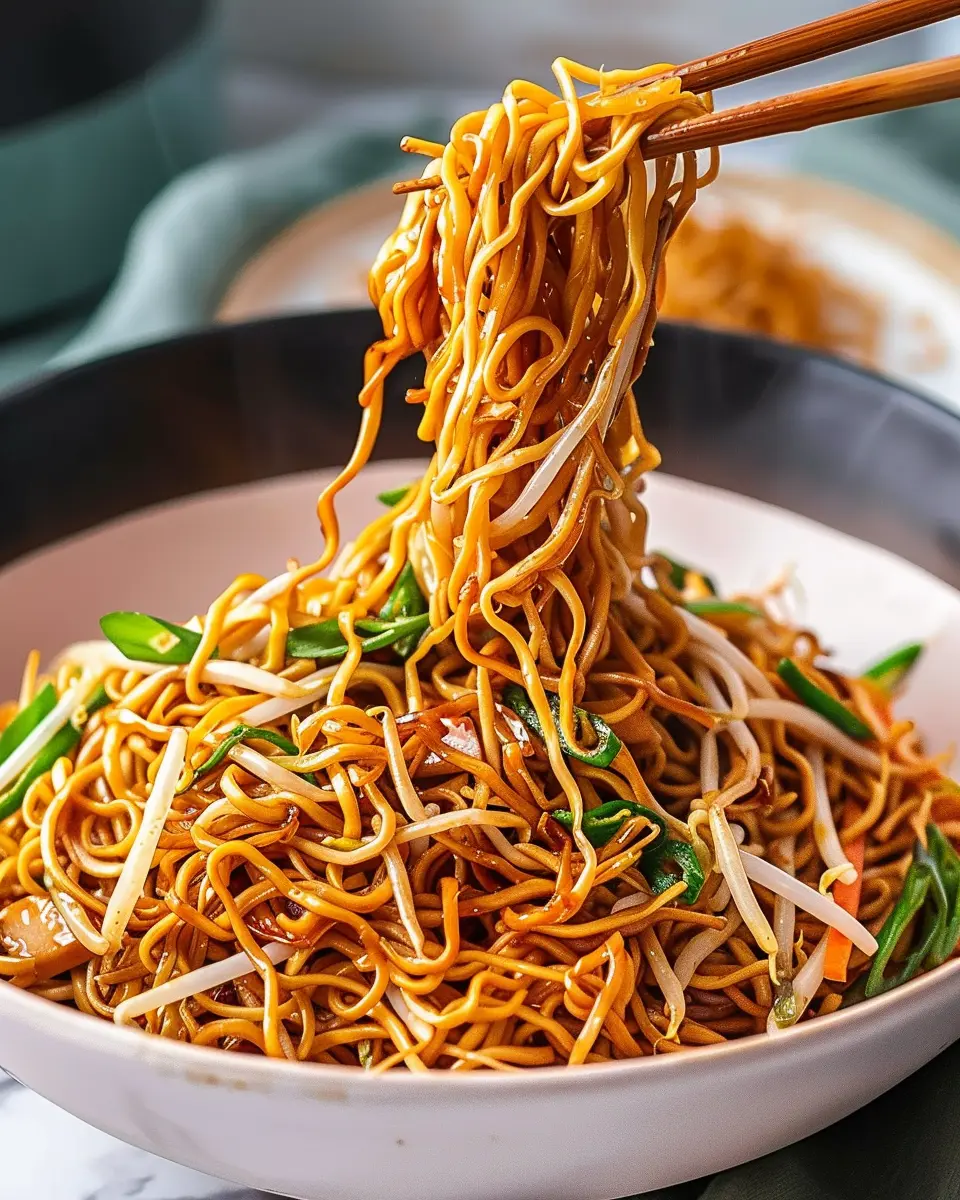
Serving suggestions for Cantonese Chow Mein
When it comes to enjoying your Cantonese Chow Mein, the accompaniments you choose can elevate the dish to new heights. Here are some delightful options to consider:
Classy Complements
-
Fresh Veggies: Serve your chow mein with a side of steamed broccoli or bok choy. Not only do these add color, but they also bring in a crunch that perfectly balances the dish’s textures.
-
Protein Pairing: Consider adding some sliced chicken ham or crispy turkey bacon as a topping. They add a savory depth that will leave your taste buds dancing.
Saucy Enhancements
- Extra Sauce: Drizzle a bit of soy sauce or a homemade garlic ponzu over the top right before serving. This simple addition can amplify the flavors, making them sing.
A Touch of Spice
- Chili Oil: If you enjoy a kick, don’t hesitate to add a few drops of chili oil before digging in. It gives your chow mein that spicy edge, appealing to those who love heat.
For more serving inspiration, check out Serious Eats for additional flavor ideas and tips. Enjoy crafting your perfect plate of Cantonese Chow Mein!
Time breakdown for making Cantonese Chow Mein
When you’re ready to whip up a delicious plate of Cantonese Chow Mein, it’s helpful to know how much time you’ll need for each step. Here’s a quick breakdown to keep things smooth and efficient.
Preparation time
Get the ingredients prepped! You’ll need about 15 minutes for chopping vegetables and slicing your proteins, like turkey bacon and chicken ham. Check out this vegetable chopping guide to streamline your technique.
Cooking time
The cooking process is fairly quick, taking around 10–15 minutes. Sautéing your protein, tossing in the veggies, and frying the noodles will be a breeze if you have everything ready to go.
Total time
In total, you’re looking at approximately 25–30 minutes to enjoy a hearty homemade Cantonese Chow Mein. Perfect for a weeknight dinner when you crave something satisfying but don’t have hours to spare. Happy cooking!
Nutritional Information for Cantonese Chow Mein
When diving into a delicious plate of Cantonese Chow Mein, it’s helpful to understand its nutritional profile. Here’s a quick overview to keep you informed:
Calories
A typical serving of Cantonese Chow Mein packs around 400-500 calories, largely depending on the amount of protein and vegetables used. This makes it a hearty yet manageable option for a meal.
Protein
With the inclusion of protein such as chicken ham and turkey bacon, you can expect about 20-25 grams of protein per serving. This contributes to satiety and helps you power through your day.
Sodium
Usually, this dish contains about 800-1000 mg of sodium. While it adds flavor, you might consider balancing it with lower-sodium options if you’re keeping an eye on your salt intake.
If you want to know more about maintaining a balanced diet, check out Healthline for some great tips!
FAQs about Cantonese Chow Mein
Can I use different noodles for chow mein?
Absolutely! While traditional Cantonese Chow Mein typically uses egg noodles, you can experiment with other types, such as rice noodles or even whole wheat noodles. This allows for a gluten-free option or a healthier twist that fits your dietary preferences. Just ensure that the noodles you choose can hold up during stir-frying without becoming mushy. If you’re curious about trying different noodles, I recommend checking out this guide on noodle types for more insights.
What vegetables are best for chow mein?
Cantonese Chow Mein is all about vibrant, fresh veggies. You can’t go wrong with classic choices like:
- Bell peppers: Adds a nice crunch and sweetness.
- Carrots: Offers color and a slight sweetness.
- Snow peas: Provides a crisp texture.
- Broccoli: Packs a nutritional punch.
Feel free to mix in seasonal veggies or whatever you have on hand. The goal is to use a colorful variety to enhance both flavor and nutrition, so don’t hesitate to get creative!
How can I make chow mein healthier?
Making Cantonese Chow Mein healthier is easy! Here are a few tips:
- Reduce the oil: Use less oil or opt for a healthier oil like avocado or sesame oil.
- Add lean proteins: Swap in turkey bacon or chicken ham for a leaner protein source.
- Load up on veggies: Aim for at least half your plate to be a variety of colorful vegetables.
- Choose whole grain noodles: They offer more fiber and nutrients compared to regular noodles.
Small adjustments can make a big impact, making your Cantonese Chow Mein not only flavorful but also nutritious! If you’re looking for more tips on healthy cooking, consider visiting Healthline’s article on healthy meal prep.
Remember, cooking is all about enjoyment, so don’t stress too much. Enjoy trying out your own variations!
Conclusion on Cantonese Chow Mein
Cantonese Chow Mein is more than just a dish; it’s a vibrant celebration of flavors and textures that draws from rich culinary traditions. As you recreate this beloved favorite in your own kitchen, you’ll find that it’s not only quick and easy but also adaptable — perfect for showcasing seasonal veggies or your protein of choice, like turkey bacon or chicken ham.
Here are some final tips to elevate your chow mein experience:
- Experiment with different sauces, like soy or teriyaki, to personalize the taste.
- Don’t skimp on the veggies; they bring texture and nutrition!
- For those who love spice, consider adding a hint of chili.
Make this delightful meal a regular on your dining table, and watch as friends and family rave about your cooking skills! For more insights and tips, check out this resource for mastering stir-frying techniques. Enjoy the journey of creating your perfect Cantonese Chow Mein!
PrintCantonese Chow Mein: Easy Recipe with Turkey Bacon and Chicken Ham
A delicious and easy chow mein recipe featuring turkey bacon and chicken ham, perfect for a quick meal.
- Prep Time: 10 minutes
- Cook Time: 15 minutes
- Total Time: 25 minutes
- Yield: 4 servings
- Category: Main Course
- Method: Stir-fry
- Cuisine: Chinese
- Diet: Low-Carb
Ingredients
- 8 ounces chow mein noodles
- 4 strips turkey bacon
- 4 ounces chicken ham, diced
- 1 cup mixed vegetables (carrots, bell peppers, peas)
- 2 tablespoons soy sauce
- 1 tablespoon oyster sauce
- 1 teaspoon sesame oil
- 2 green onions, sliced
- 2 cloves garlic, minced
Instructions
- Cook chow mein noodles according to package instructions and set aside.
- In a large pan, cook turkey bacon until crispy. Remove and crumble.
- In the same pan, sauté garlic and mixed vegetables until tender.
- Add chicken ham and cooked noodles to the pan.
- Stir in soy sauce, oyster sauce, and sesame oil. Mix well.
- Add crumbled turkey bacon and green onions. Toss to combine and heat through.
- Serve hot.
Notes
- For a vegetarian version, substitute turkey bacon with tempeh.
- Feel free to add more vegetables according to your preference.
Nutrition
- Serving Size: 1 plate
- Calories: 350
- Sugar: 2g
- Sodium: 600mg
- Fat: 15g
- Saturated Fat: 4g
- Unsaturated Fat: 9g
- Trans Fat: 0g
- Carbohydrates: 40g
- Fiber: 3g
- Protein: 20g
- Cholesterol: 30mg