





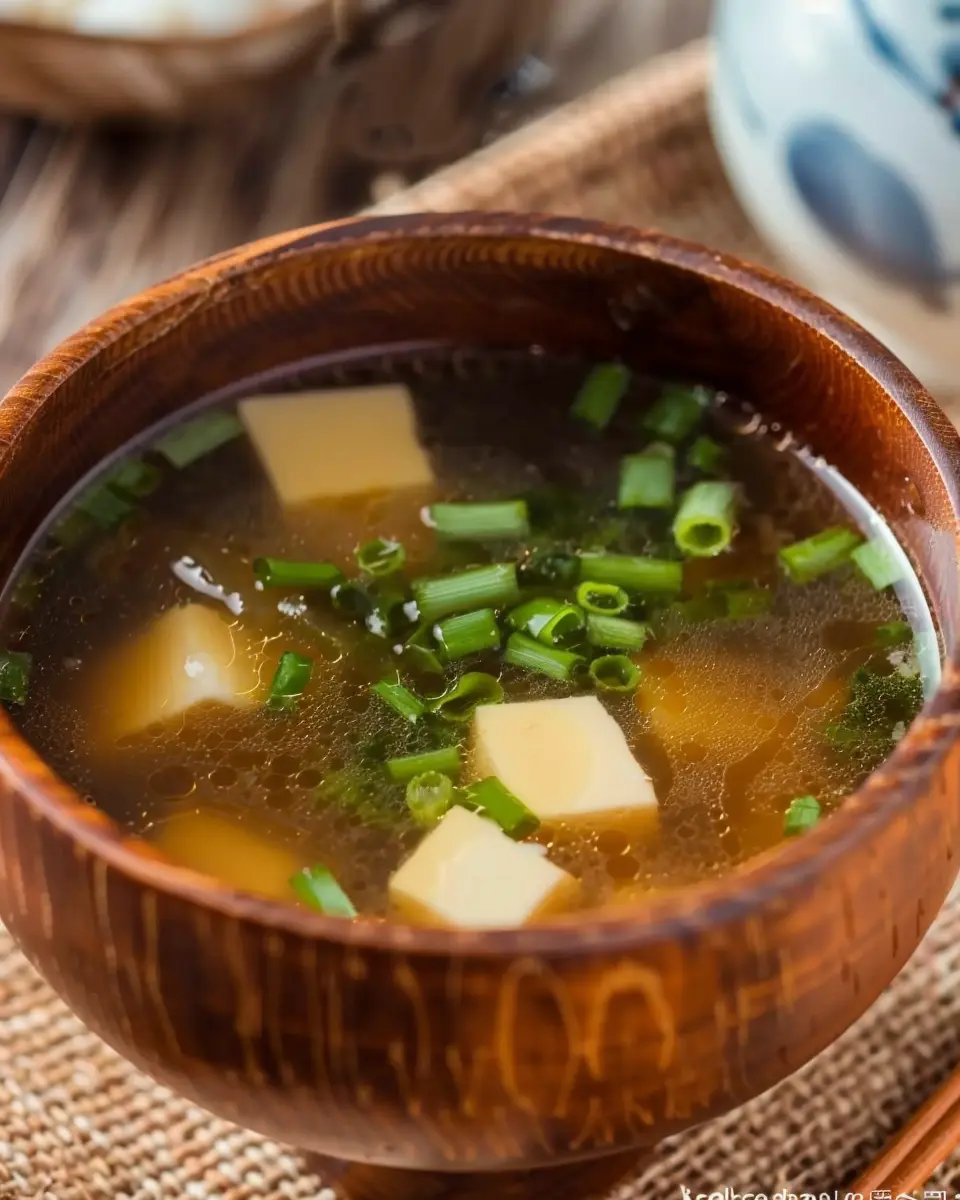
Introduction to Easy Miso Soup
If you’re a young professional juggling a busy schedule, you know how important it is to find meals that are quick, nutritious, and satisfying. Enter easy miso soup—a delightful dish that ticks all those boxes! Not only is it simple to prepare, but it’s also packed with flavor and health benefits, making it a game changer for those of us rushing through weeknight dinners.
Why Easy Miso Soup is a Game Changer for Young Professionals
Imagine coming home after a long day at work, too tired to whip up an elaborate meal. In such moments, easy miso soup can be your saving grace. This comforting bowl of goodness can be prepared in under 15 minutes, allowing you to unwind and savor every sip without the hassle of extensive cooking.
One of the best aspects of easy miso soup is its adaptability. Whether you prefer a traditional Japanese version or want to experiment with your own flavors, options abound. You can toss in a variety of vegetables, like spinach or mushrooms, and even add proteins such as tofu or shredded chicken ham to make it heartier.
Notably, the nutritional benefits are impressive. Miso paste is not only a great source of protein but also contains probiotics, which can enhance digestion and support gut health, as highlighted by experts from the Mayo Clinic. Plus, because this dish is inherently gluten-free, it’s suitable for many dietary restrictions.
If you’re curious about the ingredients, you’ll generally find that most are pantry staples. Miso paste, which is fermented and rich in umami flavor, is the star here. And if you’re watching your sodium intake, you can easily find low-sodium versions—every little bit helps!
Embracing easy miso soup in your weekday routine not only saves time but invites a little mindfulness into your cooking. So, next time you’re staring blankly into your fridge, remember that a delicious, revitalizing bowl of miso soup could be just a few minutes away! For a thorough guide on miso’s health benefits, check out Healthline.
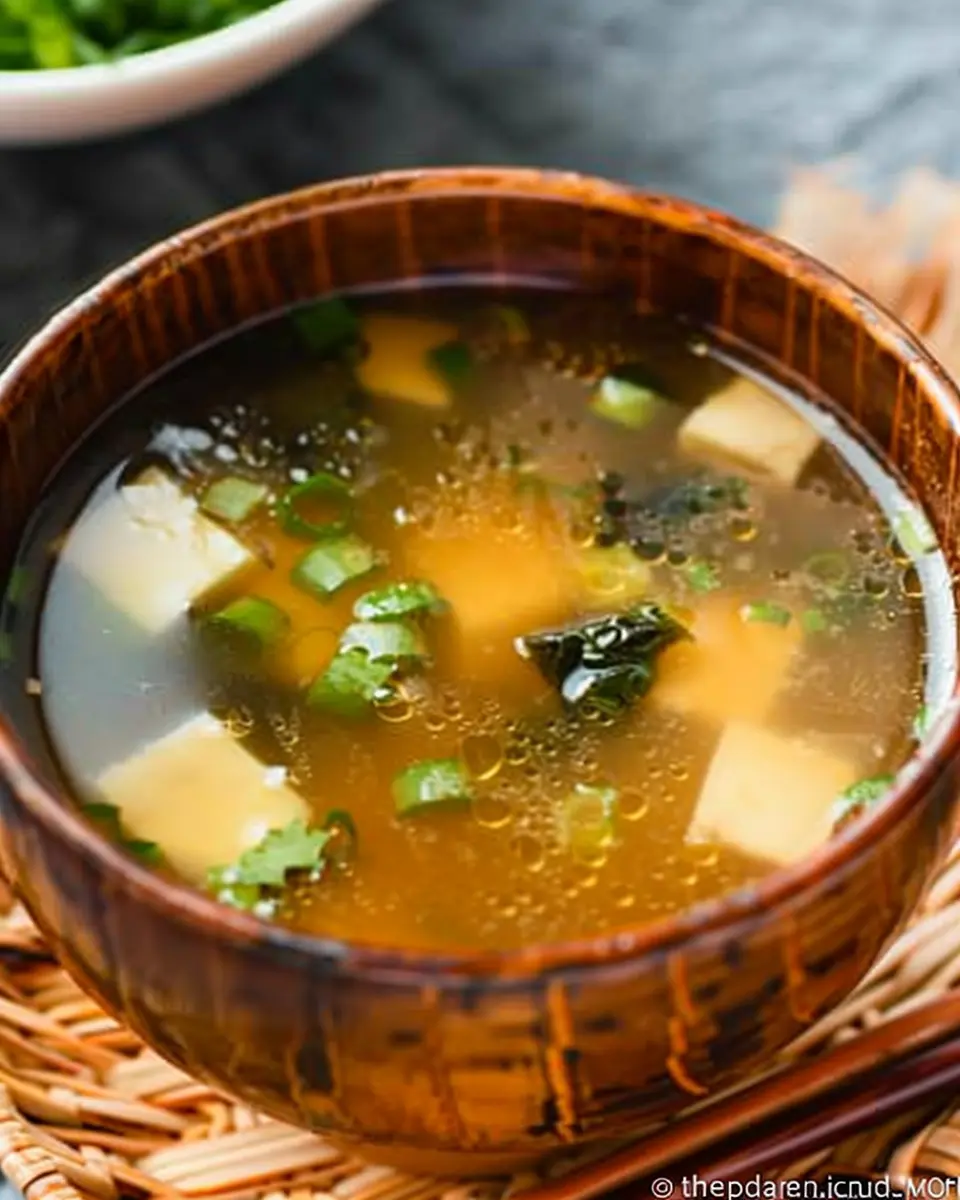
Ingredients for Easy Miso Soup
Essential Ingredients for a Delicious Bowl of Miso Soup
Creating an unforgettable bowl of easy miso soup starts with a few essential ingredients that meld together to create a comforting and umami-rich experience. Here’s what you’ll need:
- Miso Paste: The star ingredient! Opt for white miso for a sweeter flavor or red miso for a deeper taste.
- Dashi Stock: This fish or seaweed-based stock provides a savory backbone. You can easily find dashi granules or make your own from kombu and bonito flakes.
- Tofu: Soft or firm, this protein-rich addition enhances the soup’s creaminess.
- Green Onions: Freshly chopped, they add a vibrant touch and a slight crunch.
- Seaweed: Wakame is a popular choice that rehydrates beautifully in the broth.
Optional Ingredients for Extra Flavor
Want to elevate your easy miso soup? Consider adding:
- Mushrooms: Shiitake or enoki mushrooms for an earthy kick.
- Turkey Bacon or Chicken Ham: For a protein-packed twist, these options add flavor and texture.
- Garlic or Ginger: A small amount can infuse your soup with warmth and spice.
Feel free to experiment! Each addition contributes its own unique flavor, making your easy miso soup a canvas for creativity. If you’re looking for more inspiring variations, check out food.com for additional ideas that keep your culinary explorations exciting!
Step-by-Step Preparation for Easy Miso Soup
If you’re seeking a warm, nourishing bowl of comfort, easy miso soup is your answer. This simple and delectable recipe is perfect for a busy weeknight or a cozy weekend brunch. Whether you’re new to cooking or a seasoned chef, these step-by-step instructions will guide you to create a delicious miso soup that is gluten-free and bursting with flavor.
Gather Your Ingredients
Before diving into the preparation, it’s important to gather all your ingredients. Here’s what you’ll need:
- 4 cups of water
- 1 tablespoon of Hondashi powder (a savory dashi seasoning)
- 1 block of firm tofu, diced
- 1/4 cup of dried wakame seaweed (soaked in water)
- 1/4 cup of miso paste (choose gluten-free varieties)
- Chopped green onions or scallions for garnish
- Optional proteins: Chicken ham or turkey bacon for added flavor
You can easily find most of these ingredients at your local grocery store or Asian market. For those new to cooking with miso, check out Miso Basics for helpful tips on selection and storage.
Boil the Water and Add Hondashi Powder
Start by bringing your water to a rolling boil in a medium-sized pot. This is a crucial step, as the boiling water helps extract the flavors of the Hondashi powder and creates a rich base for your soup. Once it’s boiling, add in the tablespoon of Hondashi powder. Stir well until it completely dissolves. The Hondashi powder infuses the soup with a depth of umami flavor that pairs beautifully with the miso.
Incorporate Tofu and Wakame Seaweed
Now, it’s time to add the protein to make your easy miso soup more substantial. Gently add in the diced tofu and the soaked wakame seaweed. The tofu absorbs the delicious broth, while the wakame brings a slightly briny touch that enhances the overall flavor profile. If you’re feeling adventurous and want to include some meat, diced chicken ham or crispy turkey bacon can add a smokey note to your soup.
Let everything simmer together on medium heat for about 5 minutes. This step allows the tofu to warm through and for the flavors to meld together harmoniously.
Simmer for the Perfect Consistency
As your soup simmers, keep an eye on the texture. You want your soup to be comforting yet not overly thick. If it feels a bit thick, add a splash more water to achieve a consistency that suits your taste. It’s one of those rare dishes where there is no “too much,” just a delightful balance. Remember, the beauty of cooking lies in personal preference, and adjusting the texture is a simple way to make the dish your own.
Dissolve Miso Paste and Finish the Soup
Finally, the most critical step—adding the miso paste. In a small bowl, take a couple of tablespoons of the hot broth from your pot and combine it with the miso paste. This step prevents the miso from clumping and ensures it dissolves seamlessly into your soup. Once completely integrated, pour the mixture back into the pot.
Let it simmer on low heat for an additional 2-3 minutes, just enough to warm the miso without cooking it—cooking miso too hard can diminish its beneficial qualities. Serve hot, garnished with chopped green onions for a fresh burst of flavor.
With these easy steps, you’ve created a mouthwatering easy miso soup that not only warms you up but also nourishes your body and soul. Perfect for meal prep or a quick lunch, it’s bound to become a staple in your cooking repertoire. Enjoy!
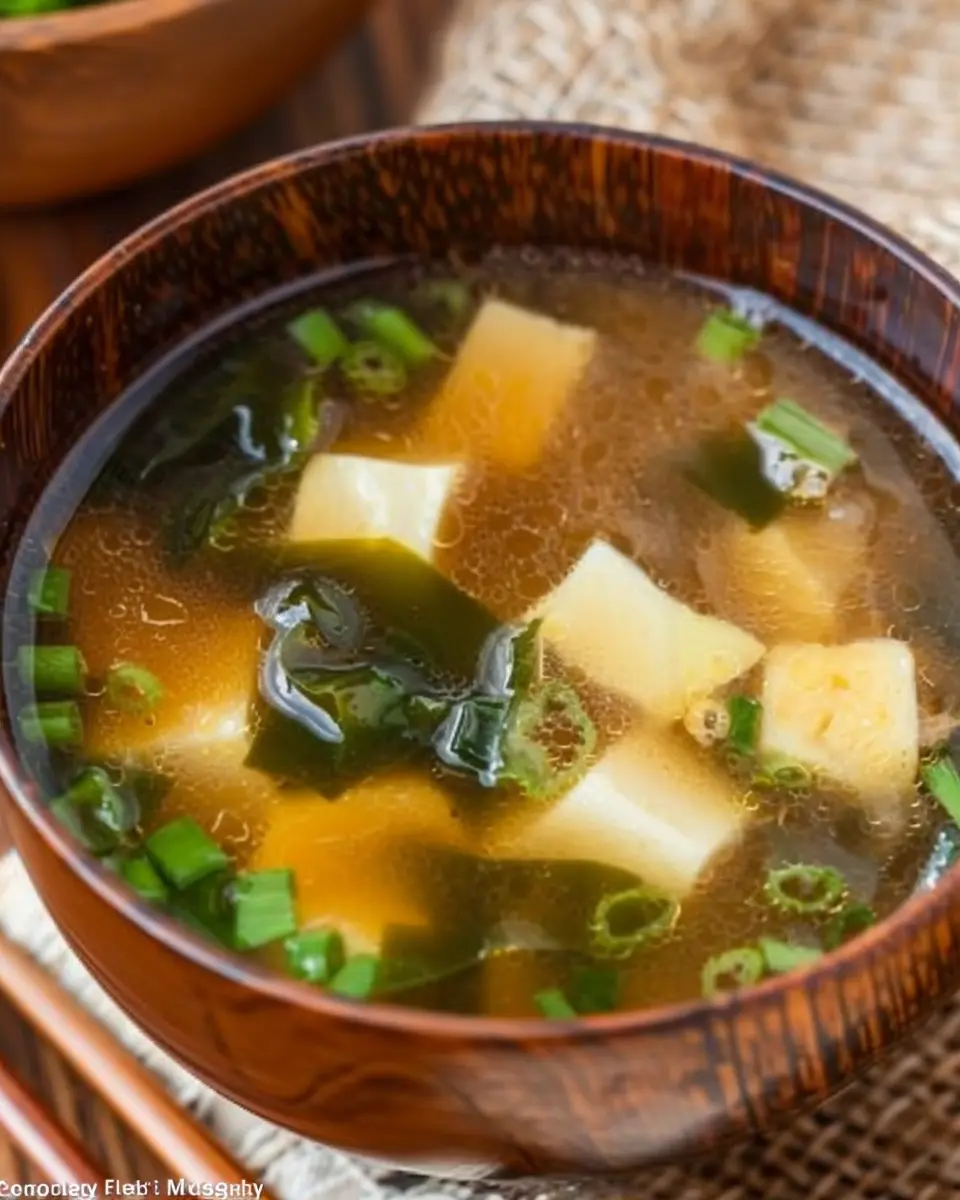
Variations on Easy Miso Soup
Vegetarian Options
If you’re looking to keep things plant-based, there are plenty of ways to jazz up your easy miso soup. Swap out traditional ingredients for vegetarian-friendly ones. For a hearty texture, add cubed tofu or edamame. Vegetables like spinach, carrots, or mushrooms can add both flavor and nutrition. Just let these simmer until they’re tender, and you’ll find that vegetarian miso soup can be just as satisfying!
Protein-Packed Additions
Want to amp up the protein content? Consider adding chicken ham or turkey bacon for that savory twist. Simply chop them into bite-sized pieces and let them mingle in the broth for a few minutes. Not a meat lover? Throw in some beans or quinoa for a complete meal that keeps you feeling full longer. As a bonus, quinoa is gluten-free, making it a perfect fit for your dietary needs.
Flavor Enhancements with Other Ingredients
Now let’s talk about enhancing those delicious umami flavors in your easy miso soup! A splash of ginger or a sprinkle of sesame oil can add a warming kick. You can also experiment with garnishes like scallions, nori, or a drizzle of sriracha for a spicy flair. Feeling adventurous? Try adding a spoonful of miso-based spreads like those from Miso Master for even more depth and richness.
Remember, the beauty of easy miso soup is its versatility. Mix and match to find your perfect bowl!
Cooking Tips and Notes for Easy Miso Soup
Miso Paste Insights
When making easy miso soup, selecting the right miso paste is essential. Depending on your flavor preference, you can choose between white (shiro), red (aka), and mixed miso. White miso tends to be milder and sweeter, perfect for a light broth, while red miso has a stronger, saltier taste. Experiment with different types to find your ideal balance! Check out this guide on miso to understand the varieties better.
Choosing the Right Tofu
When it comes to tofu, silken tofu is often recommended for soup due to its creamy texture. However, if you prefer a firmer bite, consider using medium or firm tofu. Whichever type you choose, ensure that it’s labeled gluten-free to align with your dietary needs.
Tips for a Satisfying Broth
For a delicious and satisfying broth, start with a good-quality dashi or vegetable stock as the base. You can quickly make a simple dashi using kombu (dried kelp) and bonito flakes if you’re up for it! Simmer the kombu, remove it, and add the flakes for a nuanced flavor. Aim to dissolve the miso paste in a small amount of hot broth before adding it to the pot; this prevents clumping and ensures a smooth soup.
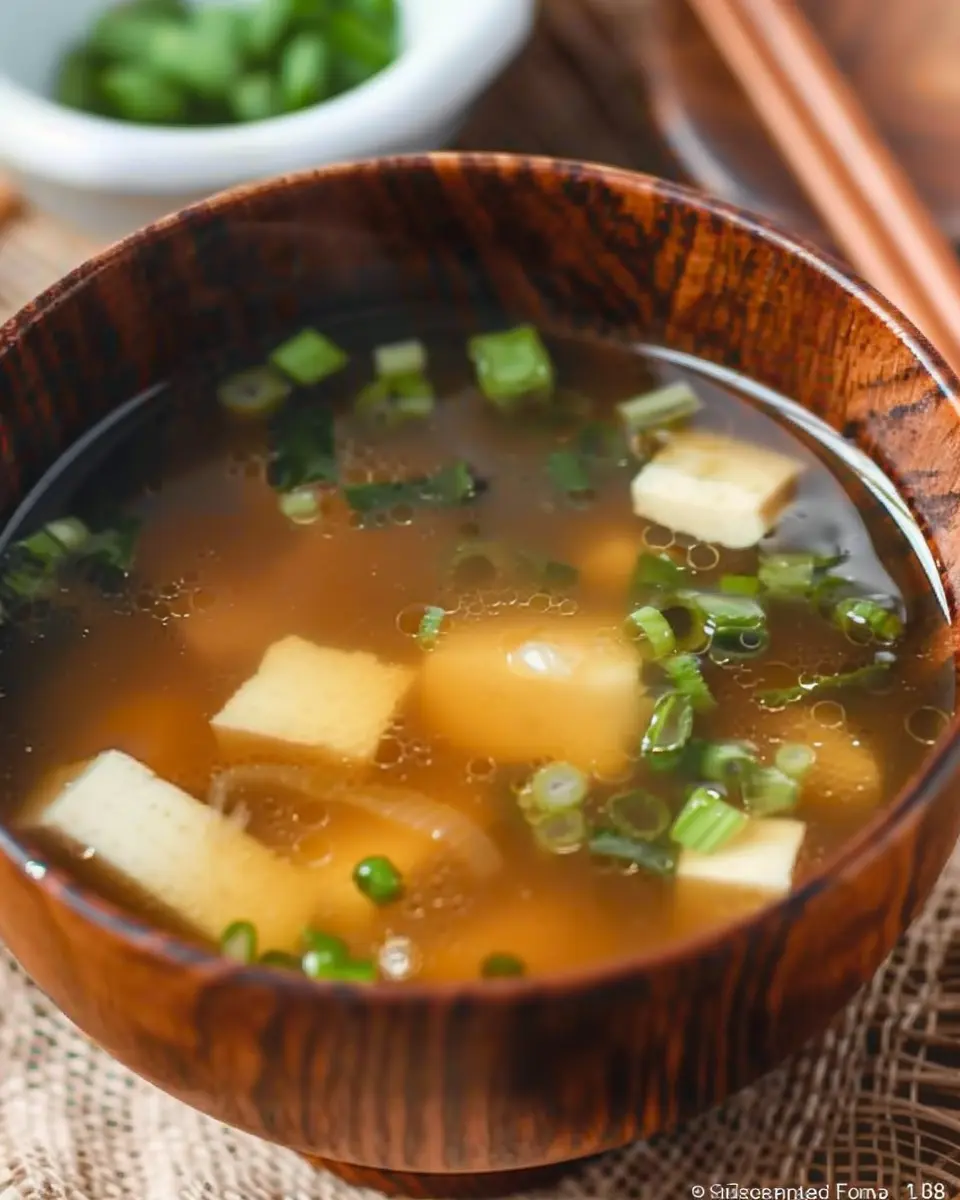
Serving Suggestions for Easy Miso Soup
Pairing Ideas for a Complete Meal
Transform your easy miso soup into a delightful meal by incorporating a variety of side dishes. For a balanced dining experience, consider pairing it with:
- Steamed Rice: Jasmine or basmati rice complements the umami flavors beautifully.
- Grilled or Pan-Seared Chicken: Seasoned with ginger and soy sauce, chicken provides a hearty protein option.
- Vegetable Tempura: Lightly battered and fried vegetables add a crunchy contrast and richness to your meal.
For even more inspiration, check out this article on the benefits of meal pairing that explores how to create successful flavor combinations.
Creative Serving Styles
Make your easy miso soup visually appealing by experimenting with different serving styles. Try using:
- Handmade Bowls: Present your soup in rustic, artisanal bowls for an inviting touch.
- Layered Presentation: Add garnishes like green onions, tofu, or seaweed on top for a colorful, appetizing display.
- Themed Dinners: Create an Asian-inspired night by serving your soup alongside sushi rolls and green tea.
These thoughtful touches elevate the dining experience, making your meal memorable for friends and family. How do you serve your favorite soups?
Time Breakdown for Easy Miso Soup
Preparation Time
Getting everything ready for this easy miso soup is a breeze! You’ll spend just about 10 minutes chopping your veggies and gathering ingredients. Having everything prepped ahead of time makes the cooking process smoother and more enjoyable.
Cooking Time
Once you’ve got everything prepped, the actual cooking only takes about 15 minutes. The best part is that you’ll be able to enjoy a warm bowl of soup in no time, perfect for a quick lunch or a cozy dinner.
Total Time
Adding it all up, your total time commitment to create this delightful easy miso soup is around 25 minutes. It’s an efficient choice when you need a healthy meal without the fuss! Discover more tips on perfecting your miso soup at The Spruce Eats. Happy cooking!
Nutritional Facts for Easy Miso Soup
Key Nutritional Information
This easy miso soup is not only delicious but also nutrient-rich. A serving typically contains:
- Calories: Around 70-80 per bowl
- Protein: Approximately 6 grams, mainly from tofu
- Fat: Just 3-5 grams, depending on added ingredients
- Carbohydrates: About 10 grams, making it light yet filling
Miso is known for its probiotic benefits, especially helping digestion and enhancing gut health. For additional insights, check out the Nutrition Source.
Benefits of Key Ingredients
The simplicity of easy miso soup lies in its wholesome ingredients. Here’s a closer look at their benefits:
- Miso: Rich in vitamins and minerals, miso is fermented, offering live probiotics that support a healthy gut.
- Tofu: A great plant-based protein source, contributing to muscle repair and overall well-being.
- Seaweed: Packed with iodine and other essential nutrients, seaweed helps support thyroid function and keeps your metabolism in check.
Incorporating these healthy ingredients makes your miso soup not just a quick meal but a nourishing experience. Whether you’re looking to boost your immune system or simply enjoy a comforting bowl, this soup ticks all the boxes. Want to learn more about the benefits of fermented foods? Check out this fascinating article from Healthline.
Try whipping up this easy miso soup for a cozy dinner that’s both satisfying and healthful!
FAQs about Easy Miso Soup
Can I make easy miso soup without dashi?
Absolutely! While dashi is a traditional base for miso soup, you can create a flavorful version using just water or vegetable broth. For added umami without dashi, consider incorporating ingredients like dried shiitake mushrooms or a splash of soy sauce. If you’re short on time, using a store-bought vegetable broth can still yield a tasty result. Just remember to adjust the seasoning with your miso paste for the best flavor balance.
What’s the difference between miso types?
Miso comes in several varieties, each with unique flavor profiles and textures. The three main types are:
- White Miso (Shiro Miso): This is sweet and mild, making it perfect for light dressings or a delicate easy miso soup.
- Yellow Miso (Shinshu Miso): A bit stronger in taste than white miso, yellow miso is versatile for soups and marinades.
- Red Miso (Aka Miso): This type is more robust and salty, ideal if you want a heartier soup.
Choosing the right type depends on personal preference and the dish you’re preparing. Explore different options to find your favorite!
Can I store leftovers?
Yes, you can store leftover easy miso soup in the refrigerator! Just place it in an airtight container, and it’ll stay good for about 2-3 days. However, to preserve the texture of any added ingredients like tofu or greens, consider adding them fresh when reheating. If you find yourself with a larger batch, you can freeze the soup base (without miso added) for up to a month. Just remember to thaw it overnight in the fridge when you’re ready to enjoy it again!
For more tips on soup storage, check out this guide from the Food Safety and Inspection Service.
Conclusion on Easy Miso Soup
Embracing Homemade Simple Meals
Homemade meals, like this easy miso soup, not only nourish the body but also warm the soul. When you whip up a comforting bowl of miso soup, you’re not just following a recipe; you’re creating an experience. Imagine sipping on a warm, umami-rich broth that you crafted in your own kitchen, complete with fresh ingredients.
This dish is perfect for anyone seeking quick, nutritious meals. With its gluten-free options and customizable ingredients, such as Turkey Bacon or Chicken Ham, you can enjoy delightful variations while catering to your dietary needs. So, why not take a break from takeout and embrace the joy of cooking? For more on the benefits of home-cooked meals, check out resources like Healthline that emphasize their positive impact on health and well-being. Your taste buds and your wallet will thank you!
PrintEasy Miso Soup: A Healthy Gluten-Free Comfort Bowl Recipe
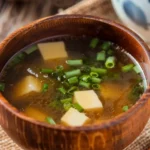
Enjoy a warm and comforting bowl of easy miso soup that is gluten-free, nutritious, and perfect for any meal.
- Prep Time: 10 minutes
- Cook Time: 15 minutes
- Total Time: 25 minutes
- Yield: 4 servings
- Category: Soup
- Method: Stovetop
- Cuisine: Japanese
- Diet: Gluten Free
Ingredients
- 4 cups water
- 2 tablespoons miso paste
- 1 cup cubed tofu
- 1 cup sliced green onions
- 1 cup spinach
- 1 tablespoon soy sauce (gluten-free)
Instructions
- In a pot, bring the water to a boil.
- Add the miso paste and stir until dissolved.
- Introduce the cubed tofu and let it cook for a few minutes.
- Add the sliced green onions and spinach, cooking for an additional 2 minutes.
- Stir in the soy sauce before serving.
Notes
- Feel free to customize with additional vegetables such as mushrooms or carrots.
- For a richer flavor, add seaweed.
Nutrition
- Serving Size: 1 bowl
- Calories: 150
- Sugar: 2g
- Sodium: 800mg
- Fat: 6g
- Saturated Fat: 0.5g
- Unsaturated Fat: 5g
- Trans Fat: 0g
- Carbohydrates: 15g
- Fiber: 2g
- Protein: 10g
- Cholesterol: 0mg