




Introduction to the Perfect Pavlova Recipe
A Sweet Journey: Why Pavlova is a Must-Try
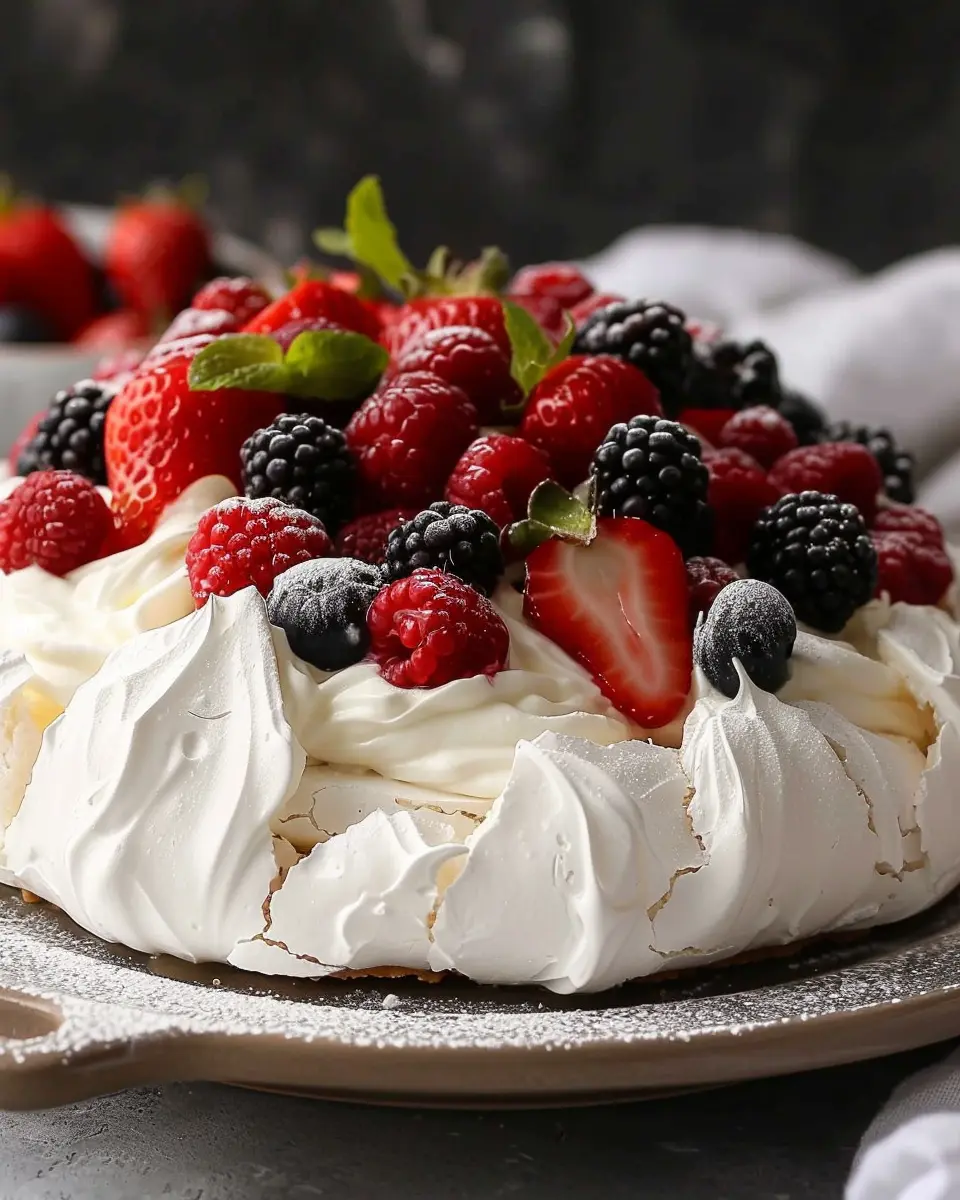
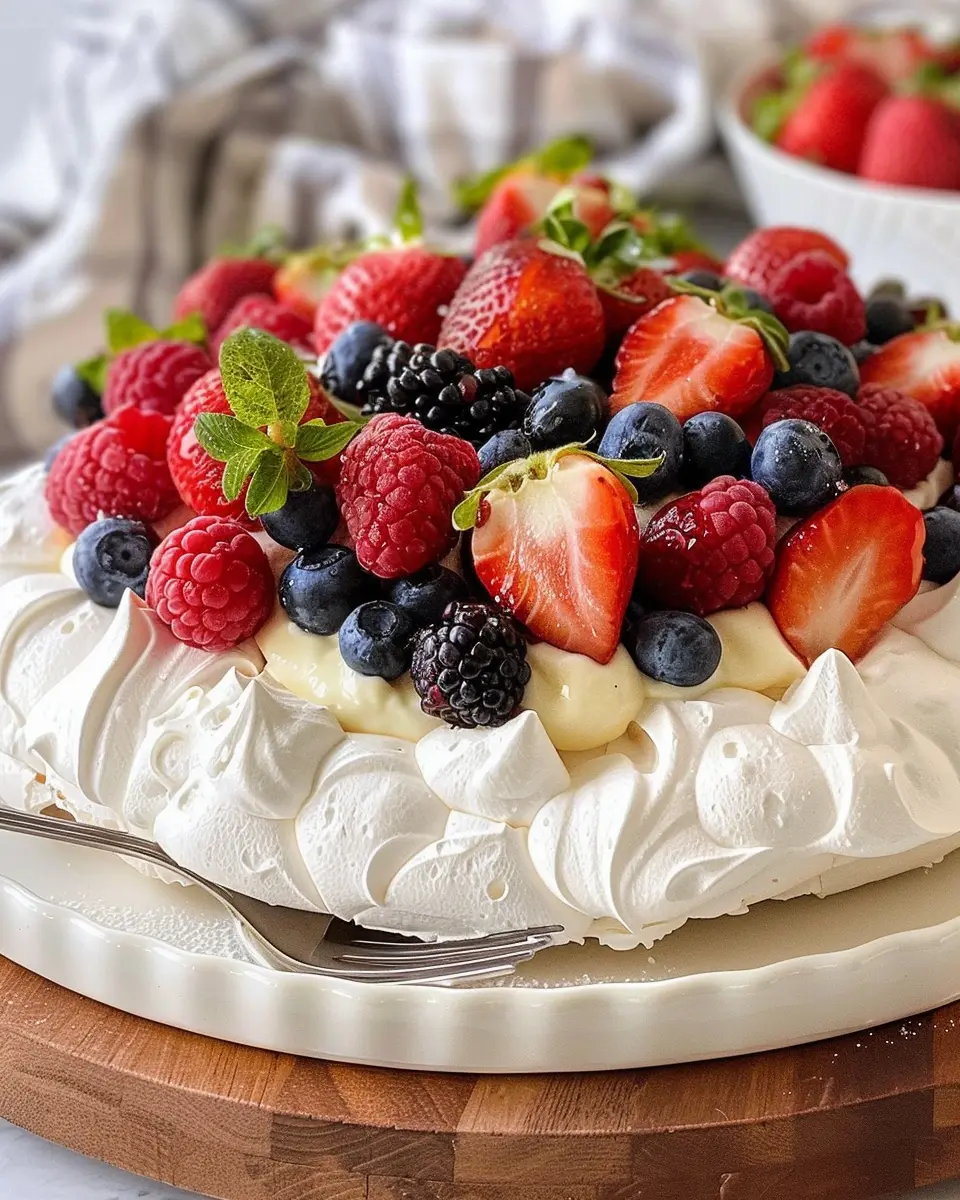
If you haven’t tasted pavlova, you’re truly in for a delightful surprise. This enchanting dessert, characterized by its light, airy meringue base topped with luscious whipped cream and a vibrant mix of fresh fruits, represents a perfect blend of textures and flavors. Originating from Australia and New Zealand, pavlova is not just a sweet treat; it’s a celebration on a plate.
Why should you try the perfect pavlova recipe? Here are a few compelling reasons:
-
Visual Appeal: A well-made pavlova is a showstopper. Its crisp outer shell and marshmallow-like center create a stunning contrast, making it an eye-catching centerpiece for any gathering. Imagine it on your dessert table, garnished with colorful berries and passionfruit!
-
Versatility: One of the joys of making pavlova is its adaptability. You can customize the toppings to suit any season or occasion — think fresh strawberries in summer and roasted figs in fall. The possibilities are practically endless!
-
Light and Fluffy: Perfect for those warmer days, pavlova is surprisingly light, allowing you to enjoy a dessert without feeling overly indulgent. Its airy texture is a refreshing change from heavier options like cakes or pies.
-
Easy to Make: While some may think that mastering the perfect pavlova recipe requires advanced baking skills, it’s quite accessible, especially with a little practice. The basic ingredients — egg whites, sugar, and a pinch of cornstarch — are simple and straightforward.
If you’re looking for inspiration or tips, check out expert Judith M. from Fine Cooking for a deeper dive into the nuances of making this delectable dessert. And remember, don’t shy away from experimenting with flavors; each attempt brings you closer to your perfect creation!
So, are you ready to embark on your pavlova-making journey? Let’s dive into the recipe that will transform you into a pavlova pro, impressing your friends and family with your baking prowess. It’s time to whip up something truly magical!
Ingredients for the Perfect Pavlova Recipe
Essential Ingredients
Creating the perfect pavlova recipe starts with a few essential ingredients that come together to create a wonderfully airy dessert. Here’s what you’ll need:
- Egg Whites: The foundation of any pavlova, they create that light, airy texture. Aim for fresh, room-temperature eggs for the best results.
- Granulated Sugar: This sweetener helps stabilize the egg whites. Choose fine sugar to ensure smooth, glossy peaks.
- Cornstarch: Adding cornstarch gives your pavlova the signature fluffy interior while maintaining a crisp outer shell.
- Vinegar: A splash of white vinegar helps enhance the meringue’s structure and adds that lovely tang.
Mix these key ingredients, and you’re on your way to a delightful pavlova!
Optional Toppings to Elevate Your Pavlova
Once your pavlovas are baked and cooled, don’t miss out on elevating them with some delicious toppings:
- Whipped Cream: Lightly sweetened whipped cream is a classic choice.
- Seasonal Fruits: Strawberries, kiwis, or passion fruit can bring brightness and a zesty contrast.
- Chocolate Shavings or Sauces: For a touch of decadence, consider drizzling with chocolate or adding shavings.
- Nuts: Chopped pistachios or almonds can add a pleasant crunch.
Feel free to mix and match these toppings to delight your taste buds! Wouldn’t it be fun to host a pavlova-making party with friends, allowing everyone to choose their favorite toppings? Check out BBC Good Food for more inspiration!
Preparing the Perfect Pavlova
Creating the perfect pavlova recipe is an art that combines simple ingredients and a touch of finesse. Let’s get right into it, shall we? Below are the steps to guide you through this delightful meringue-based dessert, ensuring it turns out perfectly every time.
Gather Your Ingredients and Equipment
Before diving into the cooking process, it’s important to have everything at hand. Here’s what you need:
- Ingredients:
- 4 large egg whites (room temperature)
- 1 cup granulated sugar
- 1 teaspoon white vinegar
- 1 teaspoon corn flour (cornstarch)
- 1/2 teaspoon cream of tartar
- Equipment:
- Oven
- Electric mixer (stand or handheld)
- Mixing bowl (preferably glass or metal)
- Baking sheet
- Parchment paper
- Spatula
Having your ingredients pre-measured will make the entire process smoother and more enjoyable. Plus, it saves the hassle of scrambling around the kitchen when you should be focusing on your delicious dessert!
Preheat the Oven and Prepare the Baking Sheet
Start by preheating your oven to 250°F (120°C). A low temperature is crucial as it allows for a slow bake, helping to maintain that heavenly chewy center. While your oven heats up, line your baking sheet with parchment paper. This is essential to prevent sticking and gives you a clean surface to shape your meringue. If you want to get fancy, you can draw a circle on the parchment to guide you for even shaping!
Beat the Egg Whites to Soft Peaks
In a clean, dry mixing bowl, add your room temperature egg whites—make sure there’s no yolk in sight, as even a tiny amount can mess up the structure. Using an electric mixer, start beating them on medium speed. You’re aiming for soft peaks, where the whites hold a shape but still look glossy. This stage is crucial, as it provides the base for your pavlova’s structure.
Gradually Add Sugar for the Perfect Meringue
Once you have those lovely soft peaks, it’s time to slowly incorporate the sugar—about a tablespoon at a time. Continue beating until the sugar is fully dissolved and the mixture becomes thick and glossy. This is where patience pays off; if the sugar crystals remain, it can impact the texture of your finished pavlova. You can do a quick test by rubbing a little between your fingers; if it feels smooth, you’re on track!
Incorporate Corn Flour and Cream of Tartar
Next, gently fold in the corn flour and cream of tartar. These ingredients strengthen the meringue’s structure while providing that signature soft interior you crave. Be careful not to deflate the egg whites by using a folding motion instead of stirring. This technique helps keep the air you whipped in, which is key for achieving that light and airy texture.
Shape the Meringue on the Baking Sheet
Once everything is combined, it’s time to shape your meringue! Spoon the mixture onto your prepared baking sheet, using the circle you drew as a guide. Create a slight dip in the center of the meringue—this is where the magic happens when you add your toppings later.
Bake and Cool
Place your pavlova in the preheated oven and bake for about 1 to 1.5 hours. Resist the urge to check on it too often; however, near the end, you can lightly press the top—it should feel firm to the touch. After baking, turn off the oven and leave the door cracked to cool gradually. This cooling approach is vital for preventing cracks and ensuring that your pavlova maintains its delightful texture.
In conclusion, with some patience and attention to detail, you’re well on your way to preparing the perfect pavlova. Remember, practice makes perfect, so don’t be disappointed if your first attempt isn’t flawless! Enjoy experimenting with toppings like whipped cream and fresh fruits to truly make it your own. Happy baking!
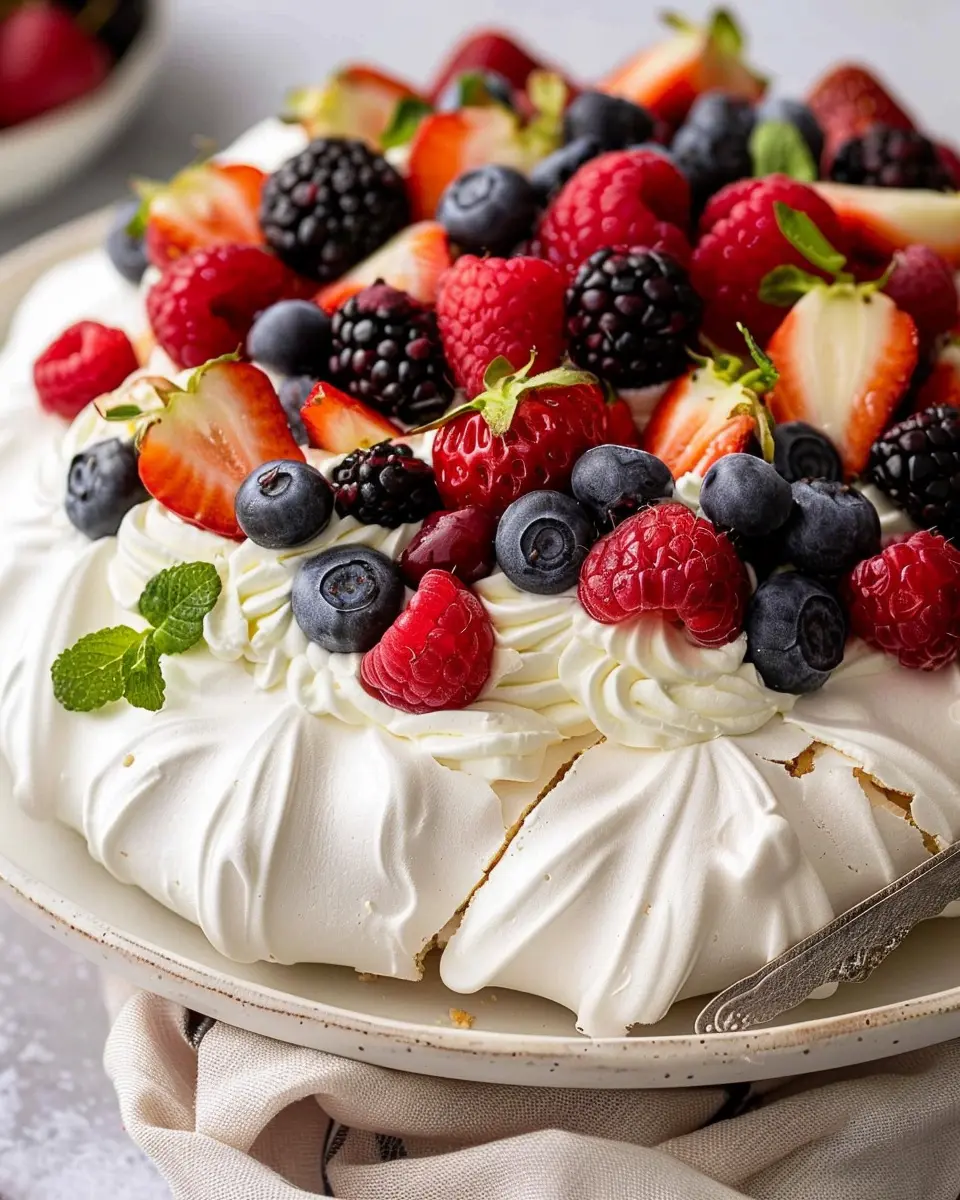
Variations on the Perfect Pavlova
Creating the perfect pavlova recipe opens the door to endless possibilities, especially when it comes to flavor combinations. Here are some delightful variations that are sure to impress your guests.
Tropical Fruit Pavlova
Transport your taste buds to a paradise with a tropical fruit pavlova! Top your meringue with a vibrant mix of fresh fruits like mango, pineapple, and passion fruit. Not only does this combination add a burst of color, but the juicy sweetness perfectly complements the crispy shell and soft interior of the pavlova. A drizzle of coconut cream can elevate the flavor even further—just think of it as adding a little slice of heaven to your dessert!
Chocolate Pavlova
Calling all chocolate lovers! A chocolate pavlova is an indulgent twist on the classic. Incorporate cocoa powder into your meringue for a rich, chocolatey flavor and top it off with whipped cream and your favorite dark chocolate shavings or ganache. This variation brings a decadence that’s hard to resist, making it a perfect choice for special occasions or a guilt-free evening treat.
Vegan Pavlova Alternatives
For those following a plant-based lifestyle, there are delicious alternatives to enjoy a perfect pavlova recipe. Aquafaba, the liquid from canned chickpeas, can be whipped into a fluffy meringue-like texture. Try topping your vegan creation with almond cream, fresh berries, and a sprinkle of coconut for a delightful, guilt-free dessert. It’s amazing how versatile and accommodating pavlova can be!
Explore these variations to find your favorite twist on this classic dessert. Whatever you choose, you’re bound to create something memorable! For more ideas on modifying classic recipes, check out BBC Good Food for inspiration.
Cooking Tips and Notes for Pavlova Perfection
What to Avoid in Your Pavlova Journey
Creating the perfect pavlova recipe can feel daunting, but there are a few pitfalls to sidestep along the way:
- Humidity: Avoid rainy or humid days as moisture can deflate your meringue. Aim for a dry climate.
- Unclean Equipment: Ensure your mixing bowl and whisk are spotless. Any grease can prevent your whites from whipping properly.
- Overmixing: Once the sugar is added, mix just until combined. Overmixing can lead to a grainy texture.
Common Mistakes and How to Fix Them
Everyone makes mistakes, so don’t fret if things go awry! Here are some common issues with solutions:
- Cracked Meringue: If your pavlova cracks, it might have baked too long. Try reducing the oven temperature for more gentle cooking in the future.
- Soggy Base: To prevent a soggy center, bake your pavlova on parchment paper and avoid touching the base when adding toppings.
Remember, practice makes perfect! For a deep dive, check out this guide on mastering meringue from the BBC.
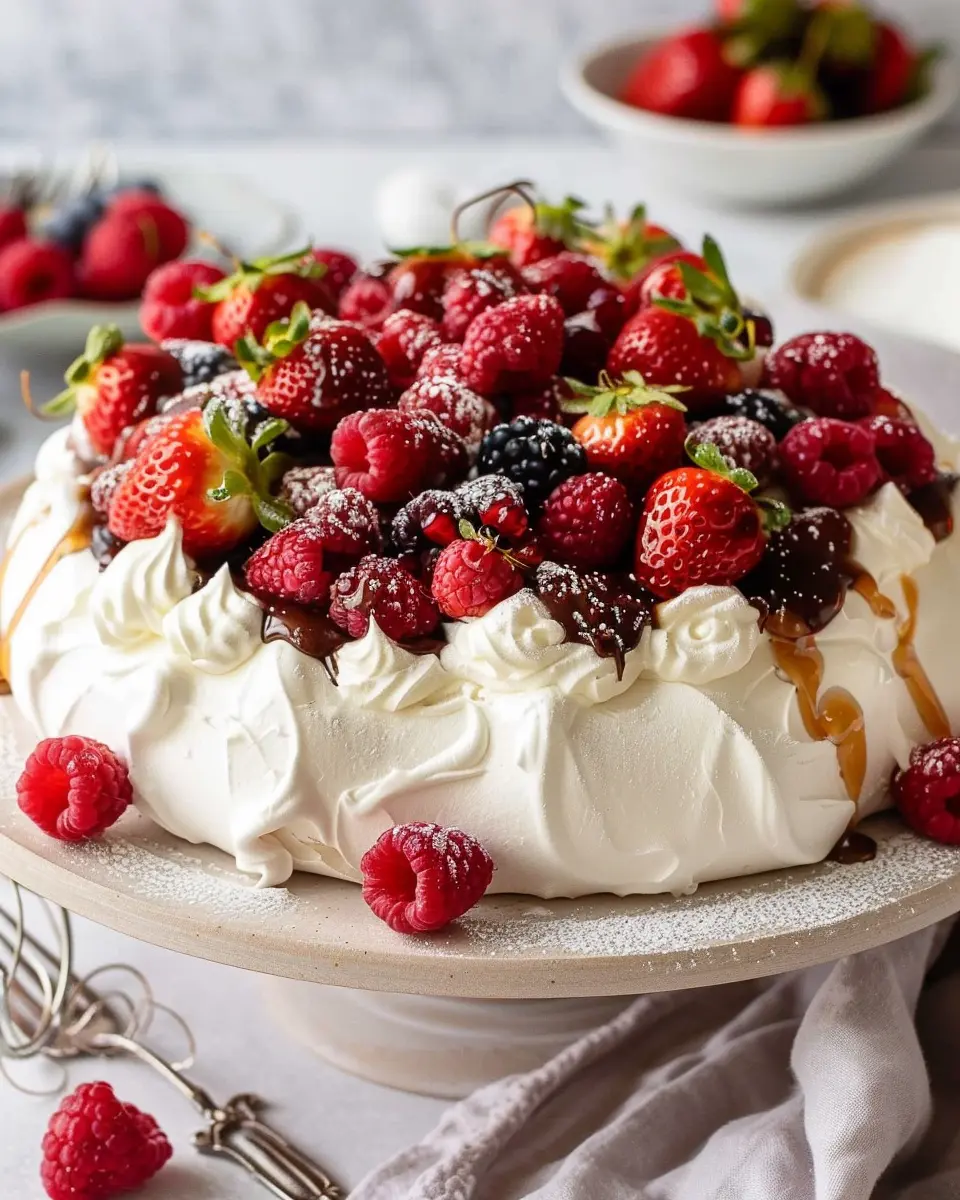
Serving Suggestions for the Perfect Pavlova
Festive Plating Ideas
When it comes to serving your perfect pavlova recipe, presentation is key! A beautifully arranged pavlova can be the star of any dessert table. Here are some ideas to elevate your plating:
- Layered Displays: Create a layered look by alternating whipped cream and fresh fruits in a clear glass dish. The vibrant colors of berries, kiwi, and passionfruit will shine!
- Edible Flowers: Garnish your pavlova with edible flowers for a touch of sophistication. They add color and make the dessert visually appealing. Just ensure they’re safe to eat, like nasturtiums or pansies.
- Rustic Charm: Serve slices on wooden or slate boards, adding a few sprigs of mint or rosemary for a rustic vibe.
Pairing Beverages for Your Dessert
Finding the right drinks to complement your pavlova can enhance the entire experience. Instead of wine, consider refreshing options:
- Flavored Sparkling Water: Something like lime or berry-infused sparkling water can cleanse the palate beautifully.
- Herbal Iced Tea: A chilled hibiscus or mint tea provides a refreshing contrast to the sweetness of the pavlova.
- Fruit Juices: A light, citrusy juice, such as orange or grapefruit, works wonders and adds vibrancy to your dessert spread.
Are you ready to impress? With these simple serving suggestions, your perfect pavlova will not just taste divine, but also look and feel spectacular! For more tips on beverage pairing, check out resources from Epicurious and Bon Appétit.
Time Breakdown for Making Pavlova
Preparation Time
Creating the perfect pavlova recipe starts with a bit of prep work. You’ll need about 20-30 minutes for gathering ingredients and whisking the egg whites to the perfect peaks. Remember to let your eggs sit at room temperature for about 30 minutes before you start—this can significantly help in achieving that lovely, airy texture.
Cooking Time
Once your meringue is ready, it’s time to bake. Depending on your oven, the cooking time will typically be 90 minutes to 2 hours. Keep the temperature low to ensure that your pavlova cooks gently and doesn’t brown too much.
Total Time
In total, you’re looking at around 2 to 2.5 hours from start to finish. This includes both prep and baking time. Just think about it: in a couple of hours, you’ll have a stunning and delicious pavlova ready to impress your friends and family! Visit BBC Good Food for more reliable tips on dessert-making.
Nutritional Facts for the Perfect Pavlova
Calories
When you indulge in the perfect pavlova recipe, you’ll want to know what you’re putting into your body. A single serving typically contains around 120 to 150 calories. This makes it a delightful yet reasonable dessert option, especially if you’re looking for a treat that won’t derail your healthy eating habits.
Sugar Content
Pavlova has a naturally sweet flavor, thanks to its main ingredient: sugar. Each serving can have approximately 20 grams of sugar. While this may seem like a lot, remember that a pavlova can be the star of a balanced meal or celebratory occasion—just pair it with fresh fruits or yogurt to enhance its nutritional profile.
Protein
One of the surprising benefits of pavlova is its protein content, primarily coming from egg whites. Each serving typically provides about 2 to 3 grams of protein. This can contribute to your daily intake, helping you feel more satisfied after enjoying this cloud-like dessert.
For an even healthier twist on an absolute classic, consider choosing whole foods to accompany your pavlova. Fresh berries or a scoop of Greek yogurt not only complement the flavor but also boost its nutritional value.
You can explore more nutritional insights from reputable sources like the USDA FoodData Central or the Nutritional Research Reviews for a deeper understanding of ingredients. Enjoy crafting your pavlova with confidence!
FAQs about Pavlova
What causes pavlova to weep?
A common issue facing those who attempt the perfect pavlova recipe is a phenomenon known as “weeping.” This occurs when the meringue releases moisture, forming a puddle of liquid underneath. Several factors contribute to this:
- Humidity: If you’re baking on a humid day, the moisture in the air can absorb into the meringue. Always aim for a dry day to tackle your pavlova.
- Underbaking: A pavlova needs to be fully set on the outside while remaining soft and marshmallowy on the inside. If it’s not baked long enough, it can cause weeping.
- Overmixing: While it’s essential to incorporate air into your meringue, overmixing can destabilize the structure, leading to tears in your pavlova.
Can I make pavlova ahead of time?
Absolutely! In fact, you can prepare your pavlova up to a day in advance. Just keep it in a cool, dry place, covered loosely with plastic wrap to prevent it from absorbing outside moisture. This also allows it to maintain its crunchy exterior while you prepare the fillings and toppings.
How do I store leftover pavlova?
If you find yourself with leftover pavlova (though this is often unlikely!), store it promptly. Wrap it tightly in plastic wrap and keep it in an airtight container. This will help maintain its texture. Typically, leftover pavlova can last for about two days. For more tips, check out this helpful guide on meringue storage from The Kitchn.
With these tips in mind, you’re better equipped to elevate your pavlova game! Enjoy crafting the perfect pavlova recipe and impress your friends and family.
Conclusion on the Perfect Pavlova Recipe
Embrace Your Inner Chef and Impress Your Guests
Creating the perfect pavlova recipe is not just about mastering meringue; it’s about celebrating creativity in the kitchen. This delightful dessert, with its crisp exterior and soft, marshmallow-like center, allows you to express your unique style. So why not get inventive? Try topping with seasonal fruits like kiwi, strawberries, or a drizzle of passionfruit curd to add a tropical flair.
Invite friends over for a casual dinner, and no one will forget the joy of sharing this elegant yet simple treat. By infusing your personality into each bite, you are guaranteed to impress. Happy baking!
PrintThe Perfect Pavlova Recipe: Easy Steps for a Light, Heavenly Treat
This pavlova recipe is a simple way to make a delicious dessert that is light and airy, perfect for any celebration.
- Prep Time: 20 minutes
- Cook Time: 1 hour
- Total Time: 1 hour 20 minutes
- Yield: 8 servings
- Category: Dessert
- Method: Baking
- Cuisine: Australian
- Diet: Gluten-Free
Ingredients
- 4 large egg whites
- 1 cup granulated sugar
- 1 teaspoon white vinegar
- 1 tablespoon cornstarch
- 1 cup heavy cream
- 1 teaspoon vanilla extract
- 2 cups mixed berries (strawberries, blueberries, raspberries)
Instructions
- Preheat the oven to 250°F (120°C).
- Whip the egg whites until soft peaks form, then gradually add the sugar until the mixture is glossy and firm.
- Gently fold in the vinegar and cornstarch.
- Spread the meringue onto a parchment-lined baking sheet, shaping it into a round disc.
- Bake for about 1 hour until the meringue is crisp.
- Turn off the oven and let the meringue cool inside.
- Whip the cream with vanilla extract until soft peaks form.
- Top the cooled meringue with whipped cream and berries.
Notes
- For best results, use room temperature eggs.
- Ensure no yolk mixes with the egg whites.
Nutrition
- Serving Size: 1 slice
- Calories: 150
- Sugar: 20g
- Sodium: 5mg
- Fat: 10g
- Saturated Fat: 6g
- Unsaturated Fat: 4g
- Trans Fat: 0g
- Carbohydrates: 15g
- Fiber: 1g
- Protein: 3g
- Cholesterol: 40mg