




What is Ratatouille and its Origin?
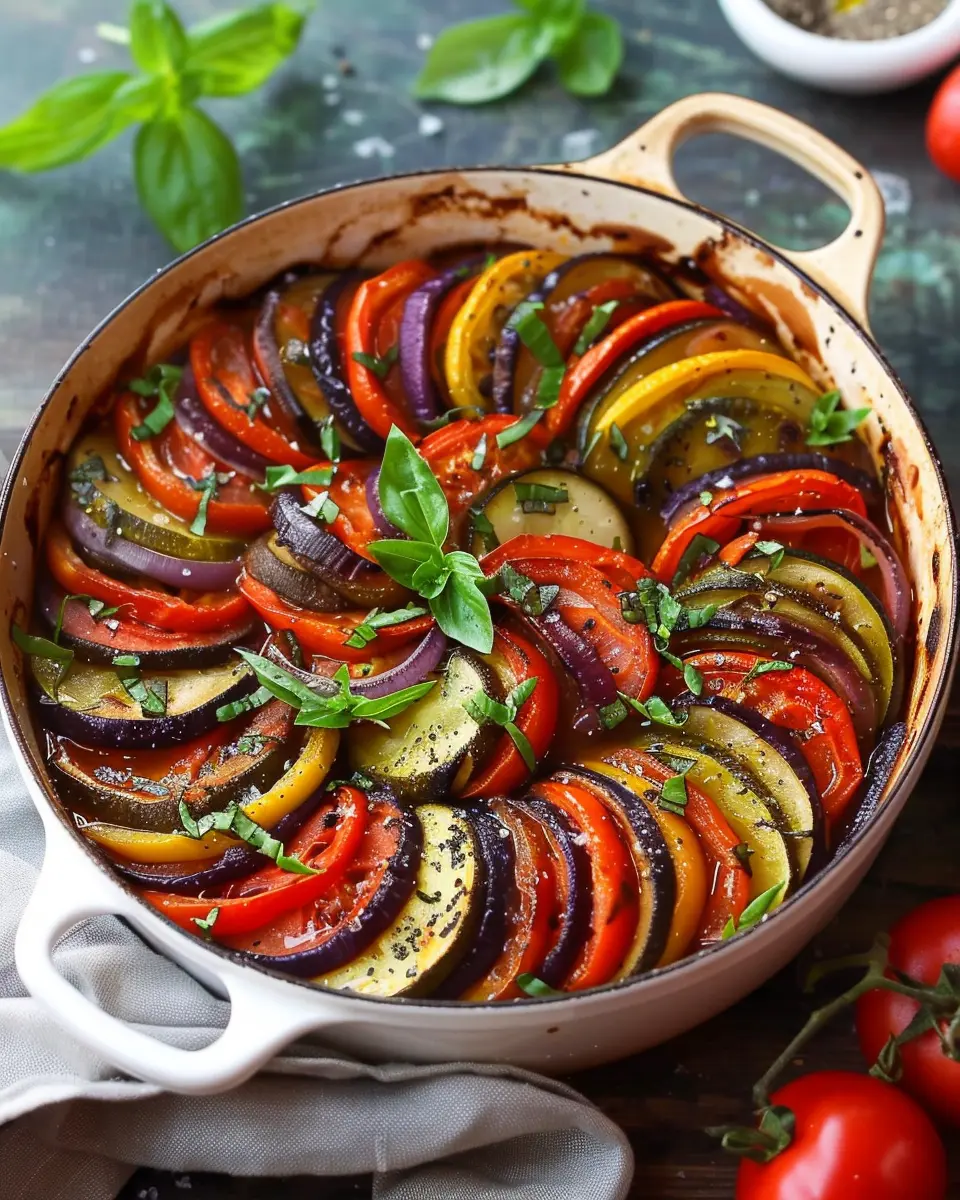
Ratatouille is more than just a dish; it’s a delightful expression of rustic French cuisine that celebrates the bounty of summer vegetables. Hailing from the beautiful region of Provence, this homemade classic French ratatouille brings together ingredients like eggplant, zucchini, bell peppers, tomatoes, and aromatic herbs. It’s a dish that embodies the philosophy of using fresh, local produce and transforming simple ingredients into something spectacular.
Historically, ratatouille is said to have originated among the humble kitchens of farmers in the region. Traditionally, it was a way to make use of leftover vegetables, showcasing the creativity that French cooks are renowned for. You can dive deeper into its history by checking resources like BBC Good Food or Serious Eats, which explore how this dish evolved into the beloved classic we know today.
The beauty of ratatouille lies in its versatility. Whether served as a side dish, a hearty main, or even as a filling for crepes or tart crusts, it fits into numerous culinary contexts. Plus, being vegetarian and packed with nutrients, it’s an ideal meal for those looking to embrace a healthier lifestyle. And let’s not forget, it’s an incredible way to impress guests at your next dinner party—or simply to enjoy a cozy meal after a long workweek.
When you make your own ratatouille at home, you can customize it according to your taste. Feel free to play around with spices or vegetables based on what you have on hand! Maybe add some garlic for a punch, or toss in a touch of lemon zest for brightness. The key is to allow the flavors to meld together slowly, creating that rich depth that makes ratatouille so delicious.
So gather your fresh ingredients, channel your inner French chef, and embark on this flavorful journey to create your very own homemade classic French ratatouille. Trust me, every bite will transport you straight to the streets of Provence!
Ingredients for Homemade Classic French Ratatouille
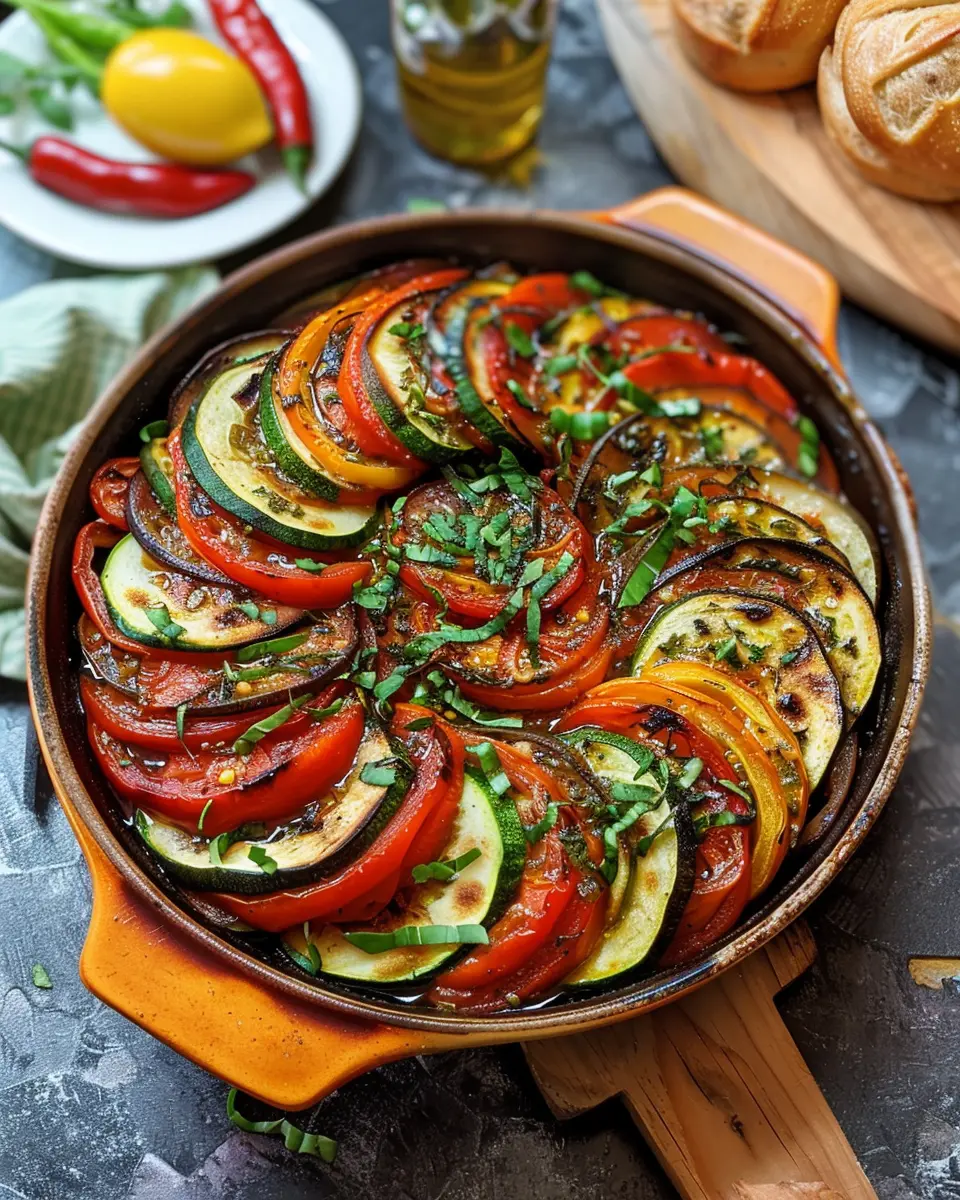
When it comes to creating a delightful homemade classic French ratatouille, the right ingredients are essential. Let’s break down what you’ll need to conjure up this seasonal veggie wonder.
Essential Vegetables
The heart of ratatouille lies in its vibrant mix of vegetables. The key players include:
- Eggplant: Choose firm ones for great texture.
- Zucchini: Fresh and tender varieties work best.
- Bell Peppers: A mix of colors adds to the dish’s charm—red, yellow, and green.
- Tomatoes: Juicy and ripe tomatoes are vital; use heirloom varieties if available.
These veggies not only provide flavor but also a feast for the eyes!
The Flavorful Sauce Components
To elevate your dish, include:
- Onions: Sweet or yellow onions lend depth.
- Garlic: Minced fresh for that aromatic kick.
- Vegetable broth: Substitute for wine, enhancing flavors without overpowering.
These elements create a base for your delicious ratatouille.
Herb Dressing Ingredients
Finishing touches are everything. For that aromatic herb dressing, gather:
- Fresh basil: A must for that authentic French flavor.
- Thyme: A hint of earthiness to complement the vegetable medley.
- Parsley: Chopped fresh for a splash of color and freshness.
With these ingredients in your kitchen, you’ll be well on your way to crafting a classic ratatouille that’s bursting with flavor and nostalgia. If you’re curious about more tips or techniques, check out sources like The Kitchn or Serious Eats for expert insights!
Step-by-Step Preparation of Ratatouille
Making homemade classic French ratatouille is like painting a vibrant and delicious masterpiece with seasonal vegetables. Let’s turn your kitchen into a cozy French bistro. Follow these simple steps, and you’ll have a dish that’s bursting with flavor and nutrients.
Prepare Your Vegetables
The star of ratatouille is undoubtedly the vegetables. Choose a colorful array for the best visual appeal and taste:
- Eggplant: 1 large, cut into cubes
- Zucchini: 2 medium, sliced
- Bell peppers: 1 of each color (red, yellow, green), chopped
- Onion: 1 medium, diced
- Garlic: 3 cloves, minced
- Tomatoes: 4 large, peeled and chopped (fresh or canned)
Before diving into cooking, wash and prep your vegetables. Each ingredient brings its own unique flavor, and incorporating variety adds not just taste but visual attraction as well. Here’s a tip: salting eggplant ahead of time can help remove excess moisture and bitterness. Simply sprinkle some salt over the cubes, let them sit for about 30 minutes, then rinse and pat dry.
Whip Up the Herb Dressing
A well-crafted herb dressing is the secret to elevating your homemade classic French ratatouille. Mix together:
- Fresh herbs: 1 tbsp each of chopped basil, thyme, and parsley
- Olive oil: 4 tablespoons
- Salt and pepper: to taste
In a small mixing bowl, combine the herbs and drizzle in the olive oil. This dressing marries the flavors of your vegetables, so don’t rush this step. The aroma is simply divine and sets the stage for the tasty dish ahead.
Cook the Tomato Sauce
Now it’s time to build a flavor-packed base. For the tomato sauce, you’ll need:
- Olive oil: 2 tablespoons
- Chopped tomatoes: 4 cups (if you haven’t prepared fresh ones, canned is perfectly fine)
- Garlic: (yes, again!) 2 cloves, minced
- Bay leaf: 1
- Salt and pepper: to taste
In a large saucepan, heat the olive oil and sauté the minced garlic until fragrant. Add your chopped tomatoes and the bay leaf, letting it simmer gently for about 20 minutes. Stir occasionally; this allows the sauce to thicken and the flavors to meld beautifully. A well-cooked tomato sauce is the foundation of any excellent ratatouille.
Layer the Vegetables
This part is almost like assembling a puzzle! In a large baking dish, layer your vegetables over the tomato sauce. Here’s how it should look:
- Spoon an even layer of tomato sauce on the bottom.
- Alternate the vegetables — eggplant, zucchini, bell peppers, and onion — creating a beautiful pattern.
- Drizzle the herb dressing over the top, enhancing every bite!
Prioritize even layering for consistent cooking. Feel free to get creative with the order or arrangement; cooking is an art after all!
Bake the Ratatouille
Preheat your oven to 375°F (190°C). Cover the baking dish with parchment paper. This helps steam the vegetables while they bake, making them tender and flavorful. Bake for approximately 45-55 minutes, or until the veggies are soft and slightly caramelized. You can remove the parchment paper for the last 10 minutes if you prefer a crisper top.
Serve and Enjoy
Once it’s out of the oven, let your homemade classic French ratatouille cool for a short while. This dish shines on its own as a vegetarian delight, or you can serve it as a side dish alongside grilled chicken or turkey bacon for added protein. It’s perfect at room temperature, too!
As you dig into this lovingly prepared meal, take a moment to relish the inviting aromas and colors. Isn’t food made with care just the best? Bon appétit! For more tips on incorporating vegetables into every meal, check out Vegetable Serving Suggestions.
This classic dish not only warms the belly but also the heart, reminding us to savor both the cooking process and the delicious rewards. Enjoy!
Variations of Ratatouille
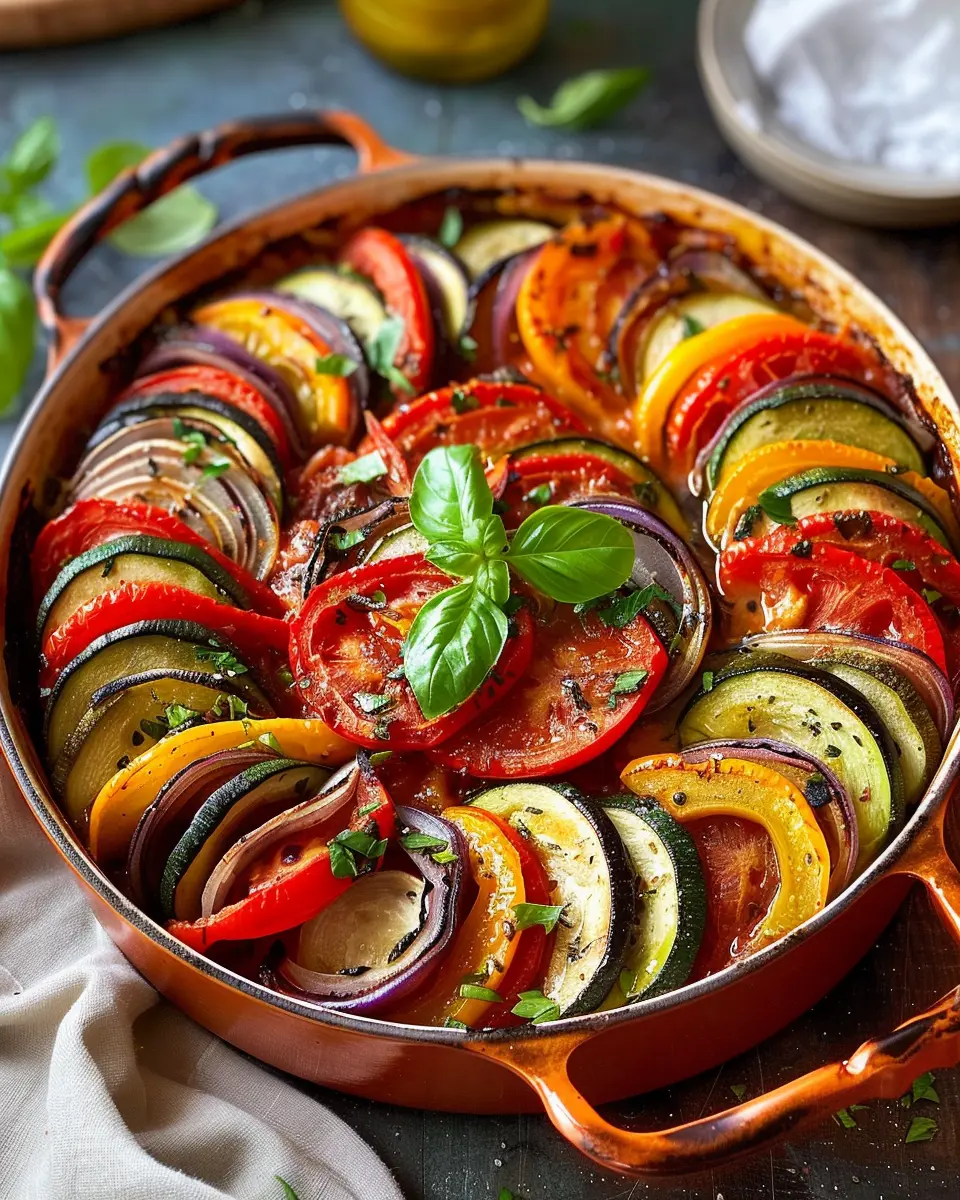
Ratatouille isn’t just a dish; it’s a versatile canvas you can play with to suit your taste or dietary needs. While the homemade classic French ratatouille is a staple in many kitchens, here are a few variations that are sure to elevate your dinner game without much effort.
Ratatouille with Quinoa
Why not give your ratatouille a protein-packed boost? Adding quinoa can transform this traditional dish into a hearty meal. Simply prepare your quinoa as per the package instructions, and fold it into the ratatouille during the last few minutes of cooking. The nutty flavor of quinoa complements the fresh vegetables beautifully and offers a satisfying texture.
Mediterranean Ratatouille
Take your taste buds on a trip to the Mediterranean by incorporating olives, feta cheese, and sun-dried tomatoes into your ratatouille. This variation adds a salty tang and a depth of flavor that enhances the classic dish. Just toss in a handful of olives and crumbled feta right before serving for that extra kick. Mixing in some herbs like oregano and basil can also escalate the Mediterranean vibes.
Spicy Ratatouille
For the spice lovers, a spicy twist can make your ratatouille unforgettable. Add some chopped jalapeños or sprinkle in red pepper flakes while sautéing the vegetables. This adds not just heat but complexity, making it a delightful surprise for your palate. Pair it with a dollop of yogurt on top for a cooling contrast.
So why stick with the ordinary when you can explore? These variations let you enjoy the wonders of ratatouille while still inviting your creative flair to the dinner table. For some more culinary inspiration, check out resources from The Spruce Eats for step-by-step guides and tips. Happy cooking!
Cooking Tips and Notes for Perfect Ratatouille
Slicing Tips for Optimal Cooking
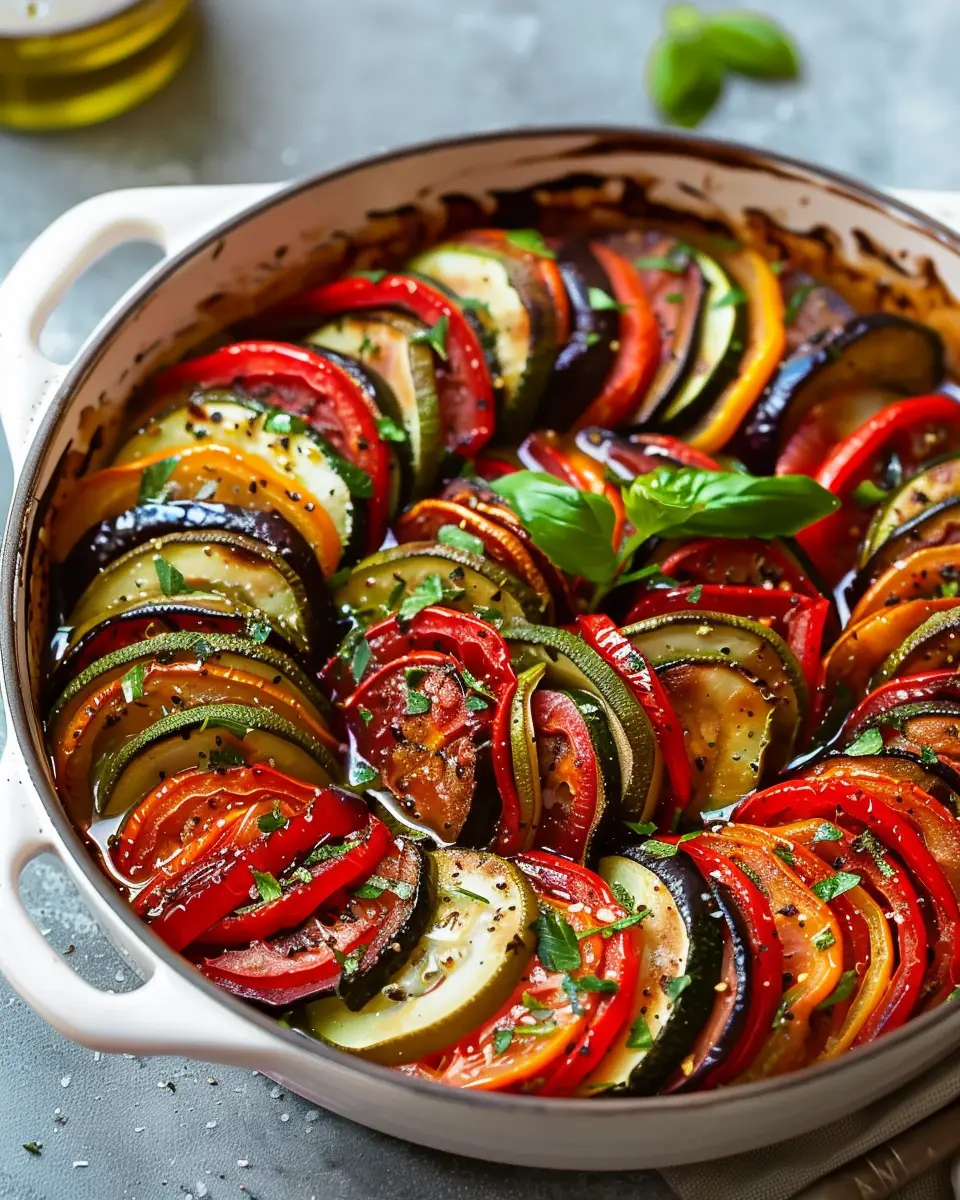
For your homemade classic French ratatouille, how you slice your vegetables can really impact the final dish. Aim for uniform pieces—about 1/4 inch thick—so everything cooks evenly. Try using a mandoline if you have one; it can save time and ensure perfect slices. Remember, this dish is as much about the presentation as it is about the taste!
Importance of Fresh Ingredients
Fresh ingredients are the heart of any great ratatouille. Opt for ripe, seasonal vegetables like eggplant, zucchini, and bell peppers. Not only does this elevate flavor, but fresh produce also packs more nutrients. Get to know your local farmers’ market; the quality difference is astonishing. For bonus points, check out this article on the benefits of eating seasonal produce.
Serving Temperature
Ratatouille can be enjoyed hot, warm, or even cold. If you’re serving it for a gathering, I recommend letting it cool slightly before serving. This allows the flavors to blend beautifully and can enhance that comforting vibe. Just imagine your friends enjoying a picturesque plate of your homemade classic French ratatouille on a cozy evening!
Serving Suggestions for Ratatouille
Accompaniments to Enhance Flavor
Pairing your homemade classic French ratatouille with suitable accompaniments can elevate the entire dining experience. Consider offering a drizzle of high-quality olive oil or a sprinkle of fresh herbs like basil or thyme over the dish. These simple touches can brighten the flavors significantly. For a bit of texture, try adding crusty bread or warm focaccia on the side. Not only does it complement the rustic nature of ratatouille, but it’s perfect for scooping up every last bite!
Ideal Side Dishes for a Balanced Meal
To create a well-rounded meal, think about serving your homemade classic French ratatouille alongside protein options like grilled chicken or turkey bacon, which harmoniously match its earthy tones. Alternatively, a light quinoa salad packed with veggies can bring extra nutrients to your plate.
If you’re curious about unique protein choices, check out this guide on plant-based sources for some tasty alternatives. By balancing the fresh flavors of ratatouille with these sides, you’ll craft a meal that’s not only delicious but also satisfying!
Time Breakdown for Ratatouille
Preparation Time
Making your own homemade classic French ratatouille is a delightful process that begins with prep. You’ll need about 20-25 minutes to chop and dice your fresh vegetables. Think zucchini, eggplant, bell peppers, and tomatoes; while it may seem lengthy, this step is crucial for the dish’s flavor and presentation.
Cooking Time
Once your veggies are prepped, it’s time to let them shine. Expect to invest around 30-35 minutes in sautéing and simmering these beautiful ingredients. You’ll enjoy the aroma filling your kitchen as everything melds together.
Total Time
In total, you’re looking at about 60-70 minutes from start to finish. The robust taste of your homemade classic French ratatouille is well worth the time spent! It’s perfect for meal prep or as a cozy dinner. For more cooking insights, check out resources like Serious Eats or Bon Appétit for additional tips and tricks.
Nutritional Facts of Ratatouille
When you savor every bite of homemade classic French ratatouille, you’re treating yourself not just to a delightful medley of flavors, but also to a dish packed with nutritional goodness. Here’s a brief look at its health profile.
Calories
One serving of homemade classic French ratatouille contains approximately 100-150 calories. This makes it a fantastic option for those aiming to maintain or lose weight while enjoying a hearty meal.
Macronutrients Overview
Ratatouille primarily consists of vegetables, providing:
- Carbohydrates: About 20-25 grams, mainly from the veggies like zucchini, eggplant, and tomatoes.
- Protein: Approximately 2-4 grams, mostly from the plant-based ingredients.
- Fat: Roughly 5-7 grams, primarily from olive oil used in the cooking process, which is known to be a source of healthy fats.
Fiber & Vitamins Content
One of ratatouille’s standout features is its high fiber content, offering around 4 grams per serving. This can help promote healthy digestion and keep you feeling full longer.
Additionally, it’s brimming with essential vitamins:
- Vitamin C: Supports your immune system and skin health.
- Vitamin A: Vital for vision and immune function.
- B Vitamins: Important for energy metabolism.
By incorporating homemade classic French ratatouille into your diet, you’re not just satisfying your taste buds; you’re fueling your body with nutrients that contribute to overall well-being. For a deeper dive into the health benefits of various vegetables, check out resources like the USDA National Nutrient Database.
Enjoy this delicious dish as part of a balanced diet, and explore further recipes to elevate your culinary repertoire!
FAQs about Homemade Ratatouille
Can I use frozen vegetables for ratatouille?
Absolutely! Using frozen vegetables for your homemade classic French ratatouille is a convenient option, especially if you’re short on time. Frozen veggies are often harvested and flash-frozen at their peak ripeness, preserving their nutrients and flavor. Just make sure to thaw them beforehand, as using them straight from the freezer can lead to a watery dish. By sautéing them briefly before adding them to your sauce, you can enhance their taste and texture.
How do I make ratatouille less watery?
If you’ve ended up with a watery ratatouille, don’t fret! Here are a few tips to thicken it up:
- Sauté first: Pre-cook your vegetables individually to release their moisture before combining them.
- Reduce cooking time: Longer cooking times can cause excess liquid to accumulate. Aim for a balance where the flavors meld without drowning in juices.
- Add a starch: Consider stirring in a spoonful of mashed potatoes or a sprinkle of cornstarch mixed with water to absorb some liquid.
These methods can really help you achieve that perfect, hearty consistency.
What are some good substitutions for the vegetables?
Ratatouille is wonderfully versatile! If you’re missing a few ingredients or just want to switch it up, try these substitutes:
- Zucchini: Use yellow squash for a different color and flavor.
- Eggplant: Swap it for mushrooms; you’ll get a savory umami kick.
- Bell peppers: Any variety will do; feel free to use spicy peppers for a bit of heat!
Experimenting with seasonal veggies allows you to create your own unique twist on this classic French dish. For more information on vegetable substitutions, check out resources like The Spruce Eats for expert advice.
By understanding these tips and tricks, you’ll be well on your way to mastering your homemade classic French ratatouille!
Conclusion on Enjoying Homemade Ratatouille
Crafting your own homemade classic French ratatouille is a delightful journey that brings flavors of the Mediterranean right into your kitchen. The great thing about this dish is its versatility; you can enjoy it warm, at room temperature, or even as a chilled salad. Pair it with crusty bread or a refreshing side salad for a complete meal.
Whether you’re serving it as a side at dinner or enjoying it for lunch the next day, each bite is a celebration of fresh vegetables. Don’t hesitate to explore different variations, perhaps by adding your favorite herbs or even a sprinkle of turkey bacon for an unexpected twist! Explore more about the benefits of fresh seasonal veggies in your meals at Harvard Health. Cooking this dish together with friends can also turn it into a fun event—what could be better than sharing good food and conversation? Enjoy your culinary adventure!
PrintHomemade Classic French Ratatouille: A Wholesome Delight Recipe
Discover the heartwarming recipe for homemade classic French ratatouille, a vegetable medley that’s both nourishing and delicious.
- Prep Time: 15 minutes
- Cook Time: 20 minutes
- Total Time: 35 minutes
- Yield: 4 servings
- Category: Vegetarian
- Method: Stir-fry
- Cuisine: French
- Diet: Vegetarian
Ingredients
- 2 tablespoons olive oil
- 1 onion, chopped
- 2 cloves garlic, minced
- 1 bell pepper, diced
- 1 zucchini, diced
- 1 eggplant, diced
- 2 tomatoes, chopped
- 1 teaspoon dried thyme
- 1 teaspoon dried basil
- salt and pepper to taste
Instructions
- Heat the olive oil in a large skillet over medium heat.
- Add the onion and garlic, sautéing until the onion is translucent.
- Stir in the bell pepper, zucchini, and eggplant; cook for about 10 minutes or until softened.
- Add the chopped tomatoes, thyme, basil, salt, and pepper; simmer for another 10 minutes.
- Serve warm as a delightful side or main dish.
Notes
- For added flavor, try roasting the vegetables before adding them to the skillet.
- This dish can be served hot or at room temperature.
Nutrition
- Serving Size: 1 cup
- Calories: 150
- Sugar: 5 grams
- Sodium: 210 mg
- Fat: 10 grams
- Saturated Fat: 1.5 grams
- Unsaturated Fat: 8.5 grams
- Trans Fat: 0 grams
- Carbohydrates: 14 grams
- Fiber: 4 grams
- Protein: 3 grams
- Cholesterol: 0 mg